Kealakekua Bay by Paddle: What You’re Actually Signing Up For
Seven in the morning, and the bay is a sheet of glass. I’m drifting off Nāpōʻopoʻo (nah-POH-oh-POH-oh) with Old Faithful clamped to my face, and the cliff wall at Kaʻawaloa is throwing its reflection straight back at me. A paddle knocks against the hull. Somewhere up by the obelisk a goat complains. That’s the whole soundtrack.
Now the less romantic bit, because Kealakekua is not a bay where you shove off and see what happens. It is a state historical park, a 315-acre Marine Life Conservation District, and a body of water with a permit system that catches out first-timers every week of the year. Paddle access here comes with paperwork, a landing ban that almost nobody reads properly, and a genuine dependence on the morning wind. Get those three things straight and you’ll have one of the best mornings of your trip. Ignore them and you’ll meet an enforcement officer.
If you’re still deciding between paddling and swimming, the snorkelling and marine life hub covers the reef itself. For the legal fine print on touching coral, sunscreen and dolphin distances, read the visitor rules page before you book anything.
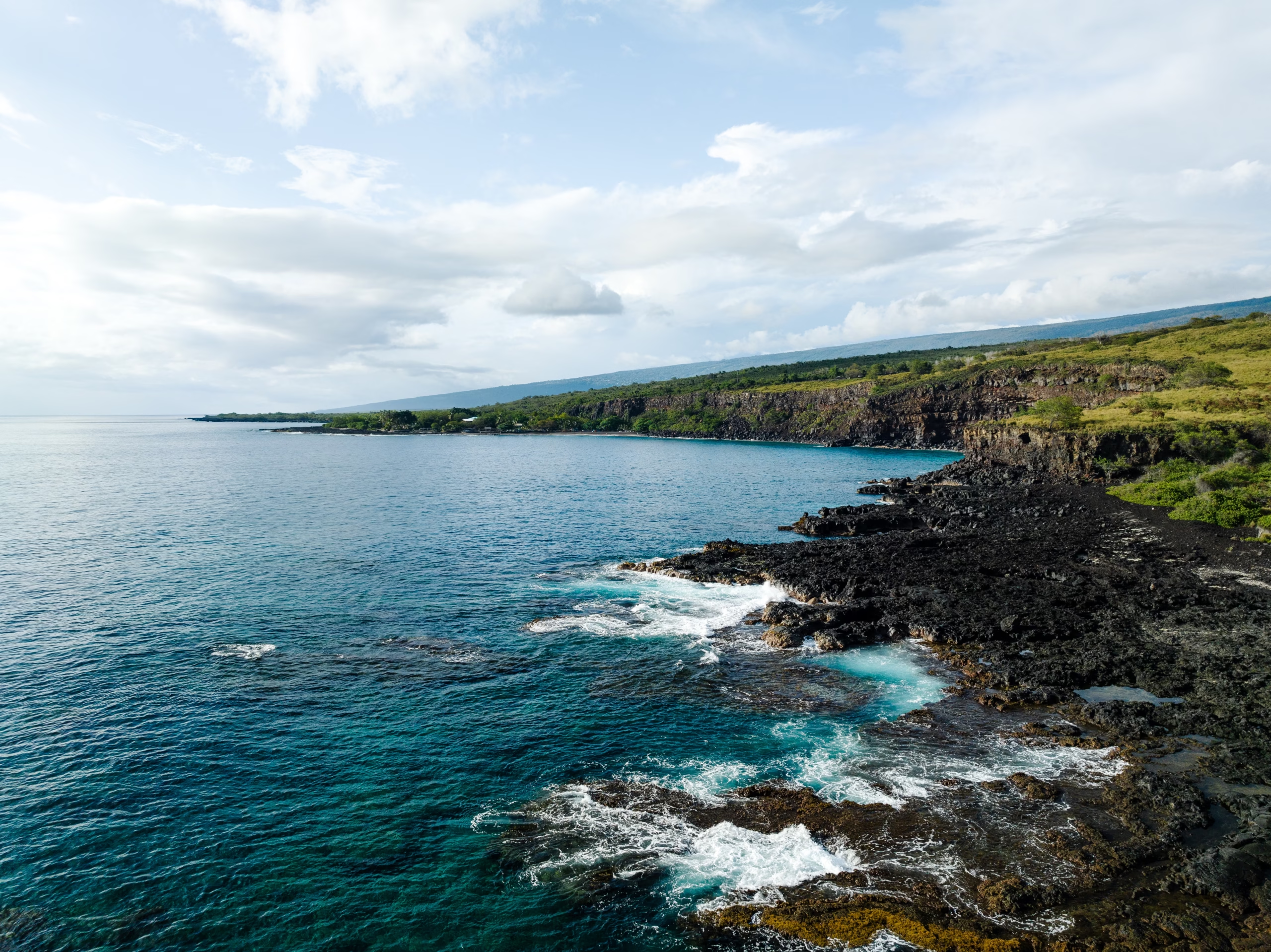
The Permit Rule: Every Craft Needs One (Yes, Even Your SUP)
Under DLNR Division of State Parks rules, every vessel transiting bay waters needs a Vessel Special Use Permit. That covers more than most people assume:
- Kayaks, including inflatable ones and the cheap sit-on-tops.
- Stand-up paddleboards, canoes and outriggers.
- Motor craft and rigid inflatables, whatever the engine size.
- Private vessels brought over on a trailer from Kailua-Kona.
Two pathways exist. Commercial operators apply for a Rental Vessel Special Use Permit and must display valid DLNR registration decals on both sides of each bow. Private, non-commercial paddlers email [email protected] at least 14 days before the date they want, and yes, that lead time is enforced rather than suggested. The application itself is straightforward, the wait is the annoying part. Details live on the DLNR Division of State Parks page for Kealakekua Bay.
Launch Points That Are Legal (and the One That Isn’t)
| Launch point | Status | What it means for you |
|---|---|---|
| Nāpōʻopoʻo Beach Park | Legal permitted launch | Free parking for 20–30 cars, full by 9 a.m. at weekends. Restrooms, rinse showers, picnic pavilion. |
| Manini Beach cove | Legal, but residential | Narrow lane, residents’ parking, no facilities. Quiet and early only. |
| Nāpōʻopoʻo concrete wharf | Launching prohibited | Historic structure. No craft of any kind may launch from it. |
| Kaʻawaloa Flats / monument | No landing for rentals or private boats | Stay in the water. Only three licensed operators may disembark guests. |
| Keauhou Bay | Commercial departures only | Where catamarans and RIBs load. Ten miles north by road. |
Nāpōʻopoʻo Beach Park is the practical answer for most people. The southern lot is free, there’s a paved access road, and the shoreline is basalt boulders rather than sand, so you’re launching off rock and rinsing off under a freshwater shower afterwards. The wharf next door looks like the obvious put-in. It isn’t, and paddlers get turned away from it regularly. Driving and parking logistics are set out properly on the getting here page.
The Landing Rule That Catches Everyone Out
Here’s the sentence that ruins people’s afternoons. Unguided rental kayaks, private boats and commercial catamarans are strictly prohibited from landing, mooring or tying up at the Kaʻawaloa shoreline, the jetty or the monument. You do not get out. Rental paddlers stay in the water and snorkel while holding or tethered to the craft.
You can paddle to the Captain Cook Monument. You just can’t stand next to it. Only three licensed commercial kayak operators hold the state landing permit that lets guided groups step onto Kaʻawaloa Flats.
That distinction is the single biggest source of confusion on the whole south Kona coast, and it’s the reason a cash rental from a bloke with a trailer will never deliver what he promises. If standing at the obelisk matters to you, book a guided paddle or take a boat. If it doesn’t, tether up and snorkel the shelf from your seat. Honestly, the reef is better from water level anyway.
Distance, Time and Route to the Captain Cook Monument
Roughly 1.5 miles of paddling each way from Nāpōʻopoʻo, so a three-mile round trip across open water. Fit, unencumbered paddlers manage the crossing in 30 to 40 minutes. Add twenty minutes if you’re in a tandem with a distracted teenager, and add a great deal more if the wind gets up on the way home.
Aim for the white obelisk, not the jetty. The jetty sits inside a shallow basalt shelf where surge does unpleasant things to hulls, and there’s a swim zone you’d rather not blunder through. Stay mid-bay, keep an eye on the moored catamarans, and give the reef edge a wide berth so your paddle doesn’t scrape coral.
The return leg is where the bay tests you. Kona’s onshore breeze usually arrives between 10:30 a.m. and noon, and a flat crossing turns into a quartering chop that shoves you north of your launch point. Leave the monument by 10 a.m. if you’re anything less than a strong paddler.
Guided vs Independent Kayaking: An Honest Comparison
| Factor | Guided (Kona Boys and similar) | Unguided rental |
|---|---|---|
| Adult price | €230 / ~$249.99 (Morning Magic); €157 / ~$169.99 (Midday Meander) | €60–65 / ~$65–$70 full day |
| Permit handling | Operator holds it; decals on every hull | Shop’s fleet permit covers you, but verify the decal yourself |
| Landing at Kaʻawaloa | Yes, guides may disembark guests onto the flats | No. Snorkel tethered to the kayak |
| Gear included | Kayak, paddle, PFD, snorkel kit, drinks, snacks | Kayak, paddle, PFD. Snorkel gear usually extra |
| Physical effort | Moderate; guides pace the group and read the wind | Full three-mile round trip, entirely on you |
| Best for | First-timers, families, anyone who wants the monument on foot | Confident paddlers, budget travellers, 7 a.m. risers |
My honest read: if it’s your first visit and you want the history as well as the fish, pay for the guide. Two hundred and fifty dollars stings, but you’re buying a permit, a landing, a naturalist’s commentary and a shuttle, and you’ll come away knowing why the bay is sacred rather than just that it’s pretty. The Captain Cook and Hawaiian history hub gives you the background either way.
The Licensed Operators (and Why the Permit Matters)
Kona Boys, Inc. is the one I’ve used and watched most, with a shop in Kailua-Kona and a beach operation down at the bay. Morning Magic runs around $249.99 and includes the guided crossing, the landing and a snorkel session at the monument; Midday Meander at $169.99 is the shorter, cheaper version and a decent shout if you’ve already got your sea legs. Kona Boys publishes its check-in times and inclusions online.
Adventures in Paradise is the second name I’ve seen working the flats for years. The state permit list includes a third commercial kayak operator, and that one changes hands occasionally, so confirm with the park office before you pay a deposit to anyone claiming landing rights. Prices, departure times and cancellations across all the guided options sit on the tickets and tours page.
Kayak Rental Realities: Decals, Roadside Cowboys and DOCARE
Unlicensed vendors work the shoulder of Nāpōʻopoʻo Road and the edges of the beach park, offering cheap cash rentals and the flat-out false promise that you can land at the monument. Under DLNR administrative rules no rental kayak may land at Kaʻawaloa, and launching from the historic wharf is equally prohibited. DOCARE officers do patrol these waters.
What enforcement actually looks like: citations issued on the water, vessels confiscated, paddlers escorted back to shore. I’ve watched it happen twice, both times to visitors who genuinely didn’t know, which is the frustrating part. Rent from a licensed shop, check that the DLNR decal appears on both sides of the bow, and if a vendor can’t show you one, walk away.
Leave everything in the room. The dirt shoulder parking near the Kaʻawaloa trailhead is an unmonitored target for smash-and-grab theft, and rental cars get singled out. Keep the glovebox open and visibly empty so nobody bothers testing the glass.
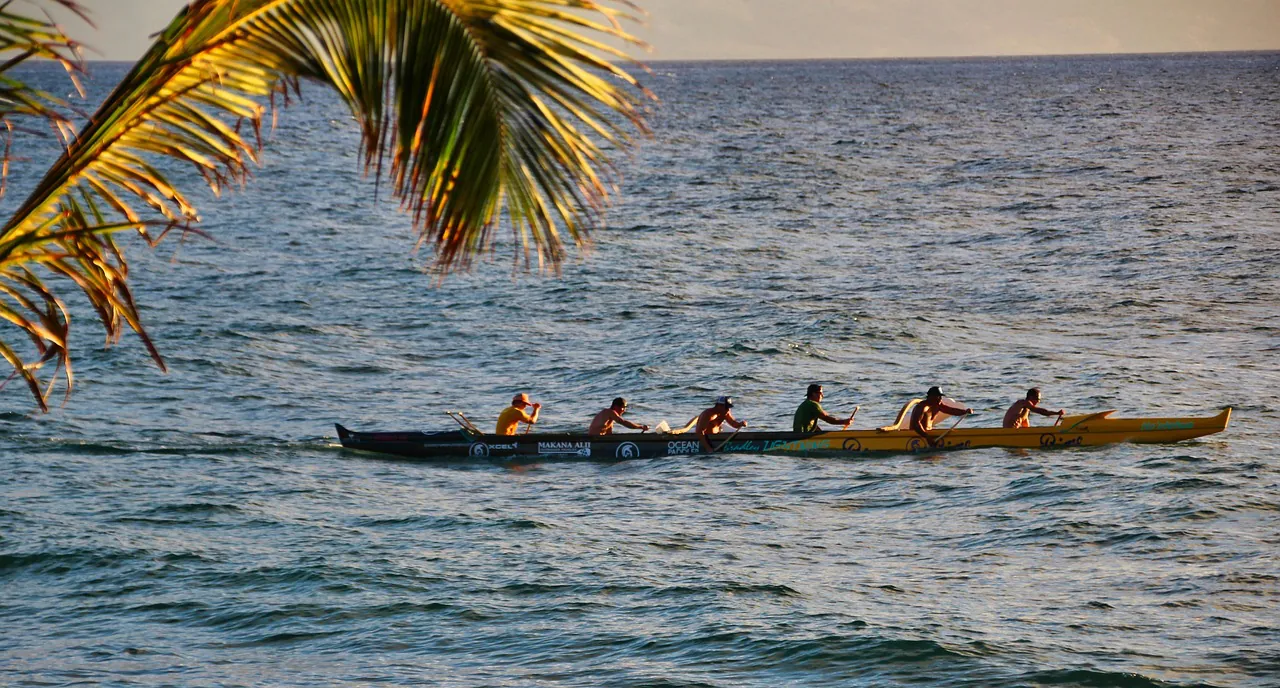
Physical Demands: Who Should Skip the Paddle
Three miles of open-water paddling is a proper bit of exercise, and there are no lifeguards at either Kaʻawaloa Flats or Nāpōʻopoʻo Beach. Be honest with yourself before you pay.
You’ll probably love it if…
You can paddle for an hour without stopping, you’re comfortable in water over your head, and you’ve snorkelled off a boat before. Upper-body stamina matters more than leg strength. Seasickness tablets are worth taking if you’re prone, because the chop on the return leg is what unsettles most stomachs.
Consider a boat instead if…
You’ve had shoulder or wrist surgery, you’re pregnant, you burn easily and can’t reapply sunscreen mid-crossing, or open water makes you nervous. Sun exposure out there is relentless: two to three hours with no shade, no fresh water and no facilities. Take the catamaran and save your shoulders for the snorkelling.
More on currents, entry and exit technique and who should give snorkelling a miss is on the Hawaii snorkelling safety guide.
Boat Access: If You’d Rather Someone Else Did the Paddling
Boats solve the landing problem. They can moor in Kaʻawaloa Cove where your kayak cannot go, and you get a swim step instead of a basalt shelf. Departures run from Keauhou Bay, about six miles and fifteen to twenty minutes by road from Kailua-Kona, or twenty-five to thirty-five minutes by sea.
The big one is the 60-foot Fair Wind II, which leaves Keauhou between 8:30 and 9 a.m. and moors in the cove around 9:15 to 9:30. The smaller rigid inflatables from independent operators are worth comparing if you want a quicker crossing.
Timing Your Paddle: Wind, Chop and the Tour Fleet
The 7 a.m. to 9 a.m. window is the one worth setting an alarm for. Water is flat and glassy, horizontal visibility runs past 100 feet, and you’re sharing the bay with nobody but a few early hikers and the fish. It’s like looking through gin.
Then the fleet lands. Between 9:45 a.m. and 12:30 p.m. the cove fills with catamarans, guided kayak groups and somewhere between 100 and 200 snorkellers, and the water gets busy in a way that’s more entertaining than unpleasant. From 1 p.m. to 3:30 p.m. the commercial boats head home, the cove empties, and visibility drops to 40 or 50 feet in the afternoon chop. By 4 p.m. to 7 p.m. the watercraft have gone entirely and the late light hits the face of Pali Kapu o Keōua. Wind and month-by-month conditions are covered on the best time and weather page.
What to Carry in the Boat
- Reef-safe sunscreen, mineral-based and free of oxybenzone and octinoxate. Hawaii state law requires it and the reef will thank you.
- A proper dry bag for phone, keys and a light layer. Splash happens at the bow, not the stern.
- 2.5 to 3 litres of water per person if you’re out more than two hours, plus electrolytes if it’s a midday paddle.
- Neoprene booties for the wet rock entry at Nāpōʻopoʻo, which is unforgiving on bare feet.
- A low-volume mask you’ve actually tested plus a rashguard and wide-brim hat. No full-face masks, please.
- Nothing single-use. There are no bins on the flats, so everything you carry in comes back out with you.
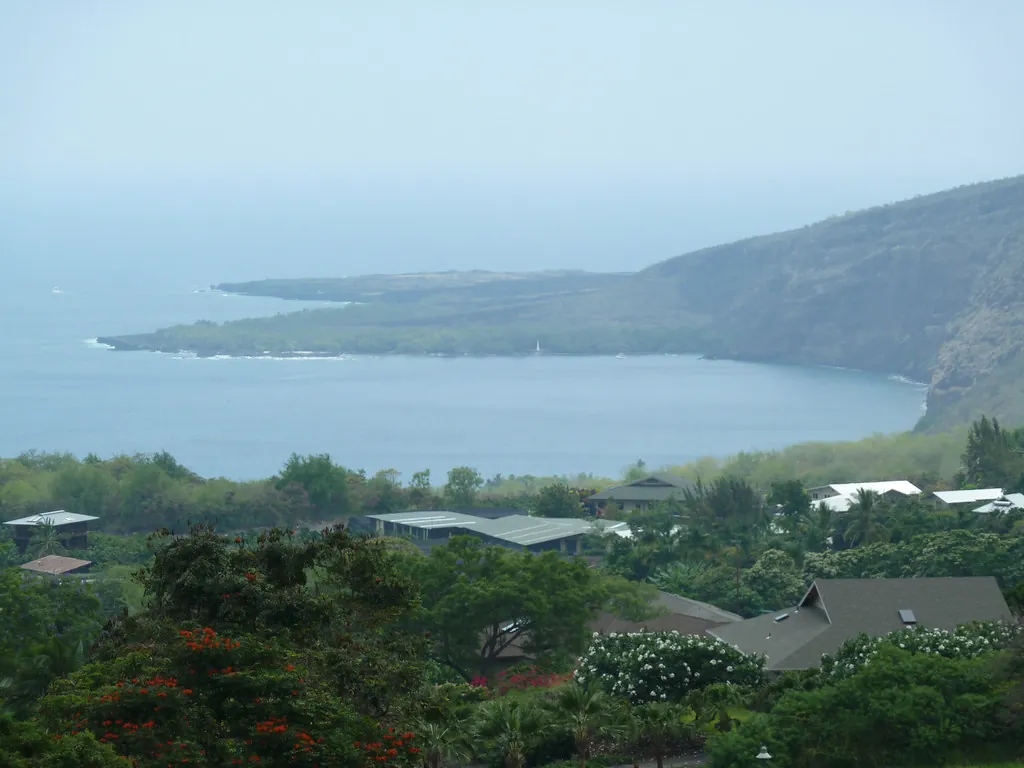
On-Water Etiquette and Safety
Spinner dolphins rest here, and the 50-yard rule is federal law rather than a suggestion. Don’t approach head-on, don’t cut across their path, and don’t get in the water with them. If a pod swings past your kayak, hold your paddle still and let them choose the distance. Watching a pod breathe from fifty yards out beats chasing one across a bay every single time.
On the reef, never stand on coral, never feed fish and never take a souvenir. On the water, watch the sky: northwest swell between November and March pushes surge across the shallow shelf at Kaʻawaloa, and exit conditions get nasty fast. If the bay looks angry, it is. The park closes at 8 p.m., the shoreline goes pitch black after dusk, and mobile reception down there is patchy at best, so plan to be off the water well before the light goes.
One last thing, and it’s the piece of advice I’d give anyone. Paddle out early, tie up quietly, put your face in the water and stop trying to cover ground. The bay rewards people who let it lead. Everything else is just logistics.