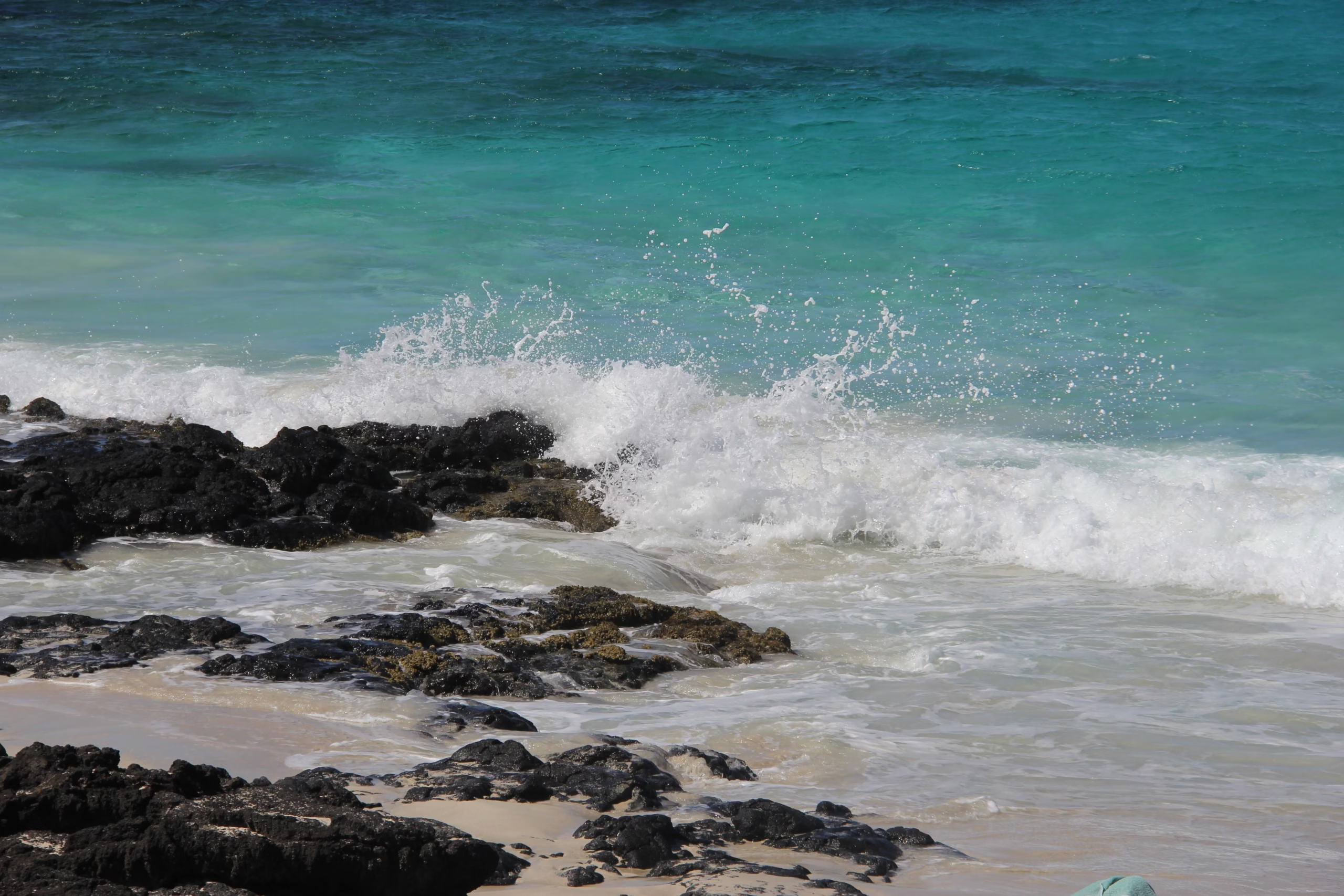
Kealakekua Bay, Hawaii, USA: The Bay That Makes You Whisper
6:40 AM on the Nāpōʻopoʻo road. The water below is so still it looks like you’re peering through gin. Then comes the small, unavoidable decision that shapes every visit to Kealakekua Bay: pay, paddle, or walk.
Read the Bay at a GlanceEvery good day at Kealakekua Bay begins before the tour boats. That is the entire secret, and it is not really a secret at all.
I parked at the shoulder of the Kaʻawaloa trailhead on a Tuesday in February, thermos in one hand, mask in the other. Old Faithful, my 2018 snorkel mask, has fogged on better mornings than this. Not today. Two cars in the dirt lot. One local fisherman hosing down an outrigger at the wharf. The bay flat as a mirror. By 7:20 AM I was stepping off the concrete jetty into 100-foot visibility with a rainbow wrasse already sizing me up. By 10:30 AM, three catamarans had arrived, the Kona breeze had kicked up, and the surface had turned into a light chop. Same bay, same morning, two different worlds.
That contrast is the reason this page exists. Kealakekua Bay is one of the most protected bodies of water in the United States, a 315-acre Marine Life Conservation District wrapped inside a 375-acre state historical park, and it rewards visitors who treat the timing with the same respect as the reef itself. Below are the hard numbers, the honest traps, the four ways in, and the quiet reasons this bay has been called sacred for longer than any of us have been alive.
Essential Kealakekua Bay at a Glance (TL;DR)
Compare 2026 Ticket & Tour Options

★ ⭐ Top Choice
★ Best Overall Pick
Small-Group Snorkel at Kealakekua Bay in Captain Cook, Big Island
From
$109
(~€100)
via Viator
|

Best Budget Choice
Dolphin, Sea Cave, Captain Cook, Kealakekua Bay Reef Snorkeling
From
$99
(~€91)
via Viator
|

Top Customer Favorite
Big Island Historical Dinner Cruise to Kealakekua Bay
From
$189
(~€174)
via Viator
|
Best All-Inclusive Combo
Big Island: Kealakekua Bay & Marine Life Tour
From
$135
(~€124)
via GetYourGuide
|
|---|---|---|---|
| Duration 3 hrs | Duration 3 hrs | Duration 3 hrs | Duration 4 hours |
| Transport Meet at start point | Transport Meet at start point | Transport Meet at start point | Transport Meeting point or pickup |
| Languages English | Languages English | Languages English | Languages English |
|
Inclusions
✓ Island sourced pineapple and chips
✓ Bottled water
✓ Use of Snorkelling equipment
|
Inclusions
✓ Bottled water
✓ Snacks
✓ Use of Snorkelling equipment
|
Inclusions
✓ Local guide
✓ All taxes, fees and handling charges
✓ Live entertainment
|
Inclusions
✓ 4-hour cruise
✓ Snorkel equipment
✓ Safety briefing
|
| Cancellation Free up to 24h before | Cancellation Free up to 24h before | Cancellation Free up to 24h before | Cancellation Free up to 24h before |
| Group Size Small Group Tour | Group Size Small Group Tour | Group Size Small Group Tour | Group Size Small / Standard Group |
| Ideal For First-time visitors & top highlights | Ideal For Budget-conscious travellers & maximum value | Ideal For Travellers seeking highly recommended experiences | Ideal For Snorkelers & marine life enthusiasts |
Small-Group Snorkel at Kealakekua Bay in Captain Cook, Big Island
Dolphin, Sea Cave, Captain Cook, Kealakekua Bay Reef Snorkeling
Big Island Historical Dinner Cruise to Kealakekua Bay
Big Island: Kealakekua Bay & Marine Life Tour
📅 Live Availability — Check Dates
- Cheapest Option: The Kaʻawaloa Trail hike is completely free (€0 / ~$0), plus free day-use park entry. Park at the unpaved Highway 11 shoulder (free), walk 0.4 mi to the trailhead, then descend 1,300 ft across 1.9 miles each way. No DLNR permit needed for hikers.
- Recommended Guided Experience: A small-group snorkel tour (~€100–€115 / ~$109–$125) with a licensed operator from Keauhou Bay gives you reef access, a guide who reads currents, snorkel gear, and the only legal way for most visitors to see fish up close without a 90-minute uphill climb.
- Advance Booking Window: Book 3–7 days ahead in June–September and 7–14 days ahead around Christmas, New Year, and Spring Break. Morning departures (7–9 AM) sell out first because the bay is glassy and crowds are minimal.
- Cancellation Flexibility: Viator, GetYourGuide, and Headout all offer free cancellation up to 24 hours before departure on most Kealakekua Bay tours. Direct operator bookings often do not. Read the small print or pay the modest platform premium.
The Ten Numbers That Matter
- Admission: €0 / $0 (free)
- Tour range: €92–€230 (~$100–$250)
- Kaʻawaloa Trail: 3.8 mi round trip / 1,300 ft
- Park hours: 7 AM–8 PM daily
- Best window: 7–9 AM, no boats
- Water per hiker: 2.5–3 L minimum
- Dolphin distance rule: 50 yards
- MLCD size: 315 acres (water)
- From Kailua-Kona: 12–17 mi / 25–35 min
- Lifeguards: none on-site
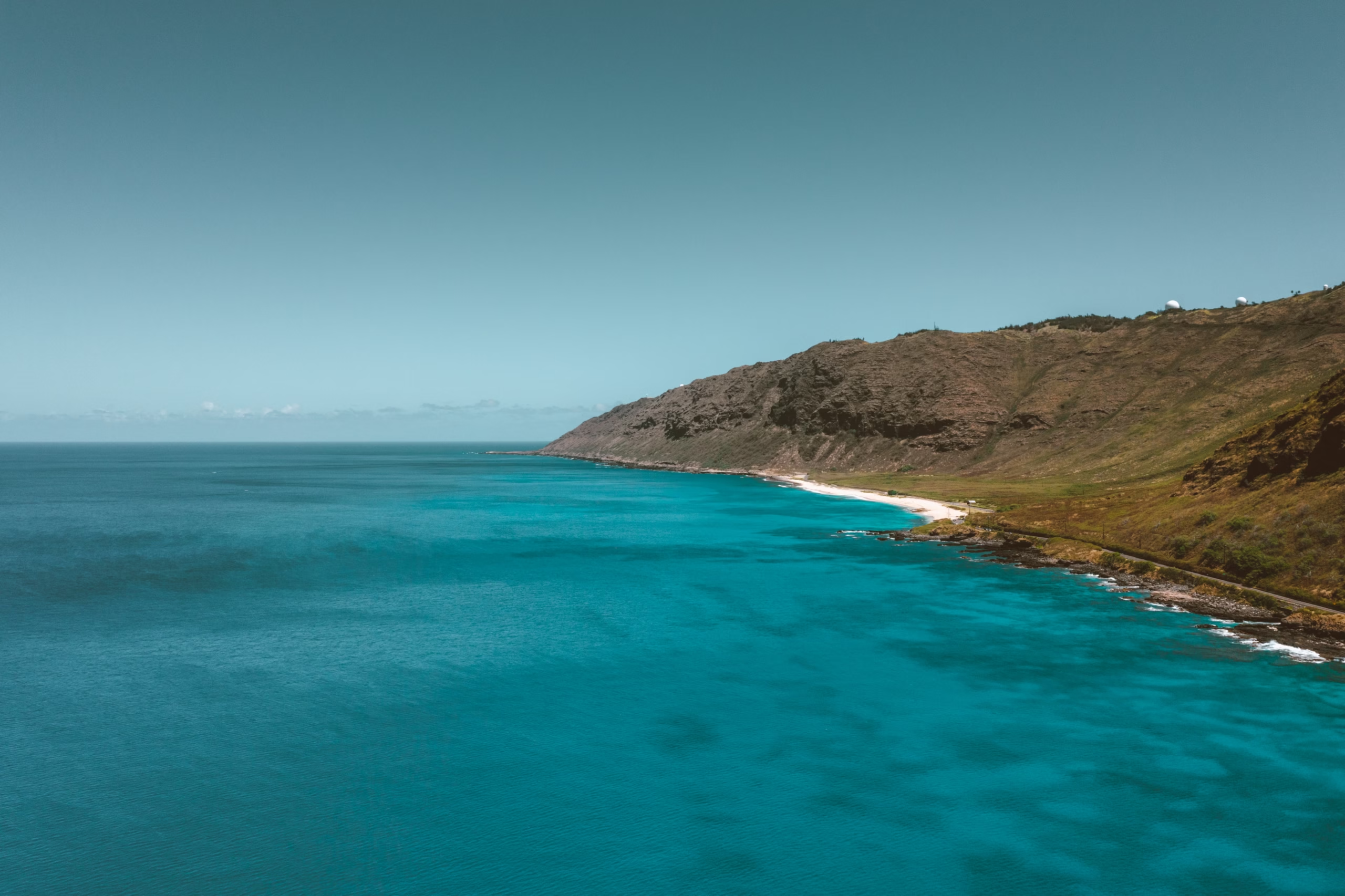
Where Exactly Is Kealakekua Bay?
Kealakekua Bay sits on the leeward west coast of Hawaiʻi Island, in the South Kona District of Hawaiʻi County, postal code 96704. Coordinates: 19°28′34″N, 155°55′37″W. If you are staring at a large, calm, almost circular inlet with a white obelisk on the far shore and a cliff face on your right, you are in the right place. The bay is roughly 12–17 miles south of Kailua-Kona, which reads like a short drive until you remember that the Mamalahoa Highway (Route 11) hits 25-mph switchbacks near Hōnaunau.
Most visitors underestimate the distance between the two entry points. The southern shore at Nāpōʻopoʻo Beach Park and the northern Kaʻawaloa trailhead are only about 3.5 road miles apart but separated by a 1,300-foot cliff and no connecting path along the water. You cannot walk from the picnic tables to the monument. You either hike down (or up) the Kaʻawaloa Trail or you arrive by boat.
Kailua-Kona
25–35 min via Route 11 south, then Nāpōʻopoʻo Road down to the water.
KOA Airport
40–50 min. Allow extra time on the return climb from Nāpōʻopoʻo Road.
Keauhou Bay
15–20 min. Main departure point for licensed snorkel charters.
Puʻuhonua o Hōnaunau
10 min. Sensible pairing with a Kealakekua Bay morning.
Hilo
2–2.5 hrs. Only worth it as an overnight trip, not a day-return.
Parking Reality
Both lots free. Nāpōʻopoʻo fills by 9 AM. Trailhead shoulder is unmonitored.
If you are weighing rental car versus shuttle versus boat transfer, my dedicated Kealakekua Bay transport guide covers every route with maps, drive times, and the Nāpōʻopoʻo Road reality check.
The Two Zones You Need to Understand
Kealakekua Bay is really two overlapping jurisdictions, and the split matters more than any single fact on this page. Get it wrong and you can be fined, escorted back to shore by DOCARE officers, or simply stuck on the wrong side of a cliff.
Kealakekua Bay Marine Life Conservation District
Every vessel in this water, from a 2-person kayak to a 60-foot catamaran, needs a DLNR Vessel Special Use Permit. No fishing. No anchoring on coral. No landing at Kaʻawaloa for unguided rental kayaks or private boats. The MLCD is why the reef looks the way it does: it has been protected since 1969.
Kealakekua Bay State Historical Park
The land on both shores is protected historical park, open 7 AM–8 PM. Hikiau Heiau and the monument sit inside it. There are restrooms and rinse showers at Nāpōʻopoʻo, and astonishingly little at Kaʻawaloa: no bins, no water, no toilets, no shade. Pack out everything you bring.
The practical upshot: permits cover boats, not hikers. Anyone can walk down the Kaʻawaloa Trail free of charge. Anyone can swim or snorkel at Nāpōʻopoʻo from shore. What you cannot do is rent a kayak from a roadside tout and paddle across to beach at the monument, which is precisely the pitch you will hear on Nāpōʻopoʻo Road on a Saturday morning. My dedicated visitor rules and guidelines hub is the place to go before you commit to any plan involving a paddle or a mooring line.
Top Points of Interest Around the Bay
Six places earn a stop. Each links to its own guide if you want the deeper version.
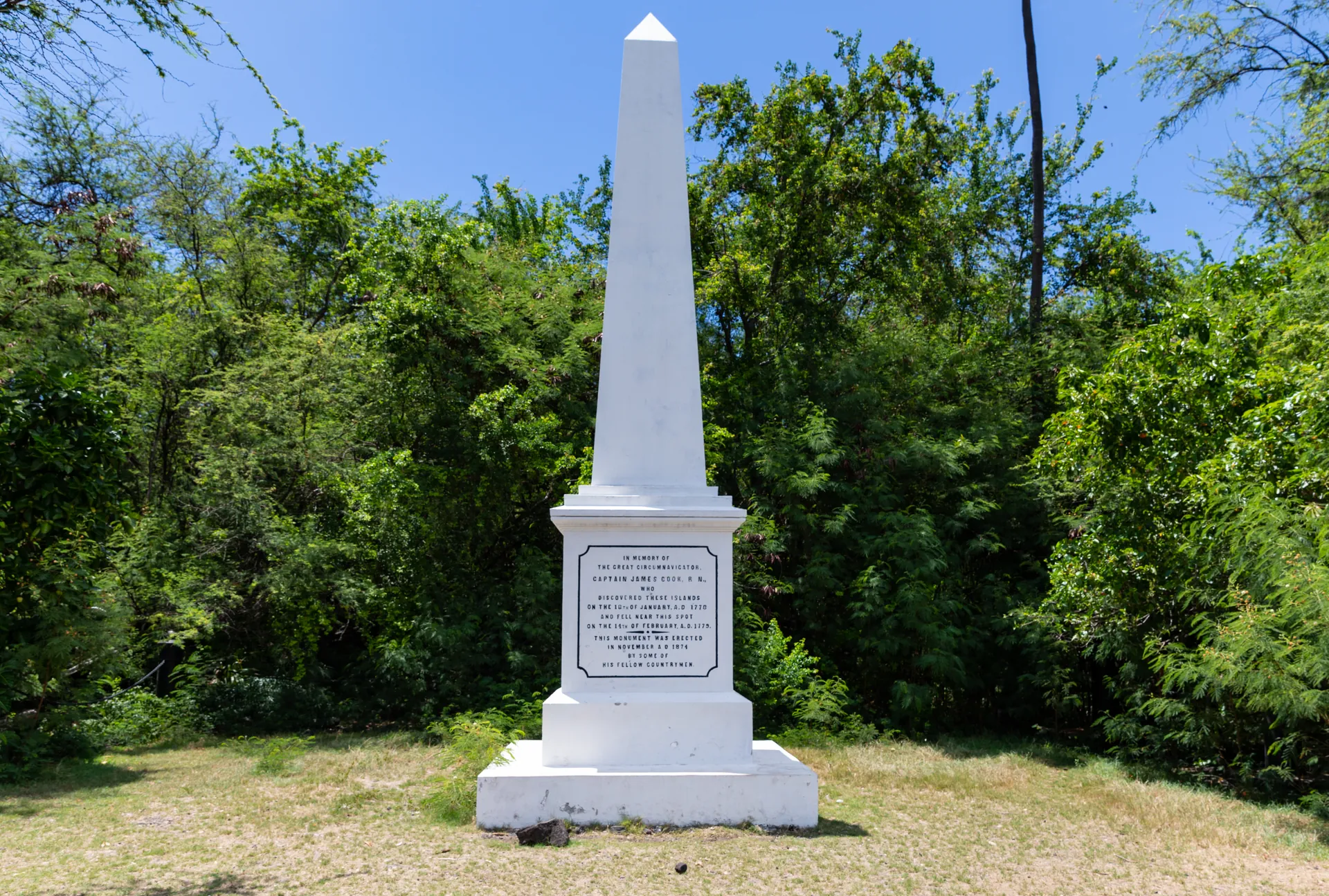
Captain Cook Monument & Kaʻawaloa Reef
The white obelisk on the far shore marks where Captain James Cook died in 1779. The reef 50 ft off the jetty is the reason most people make the trip.
Practical: 50-yard dolphin distance enforced by NOAA. No vessels may moor here.
Read the History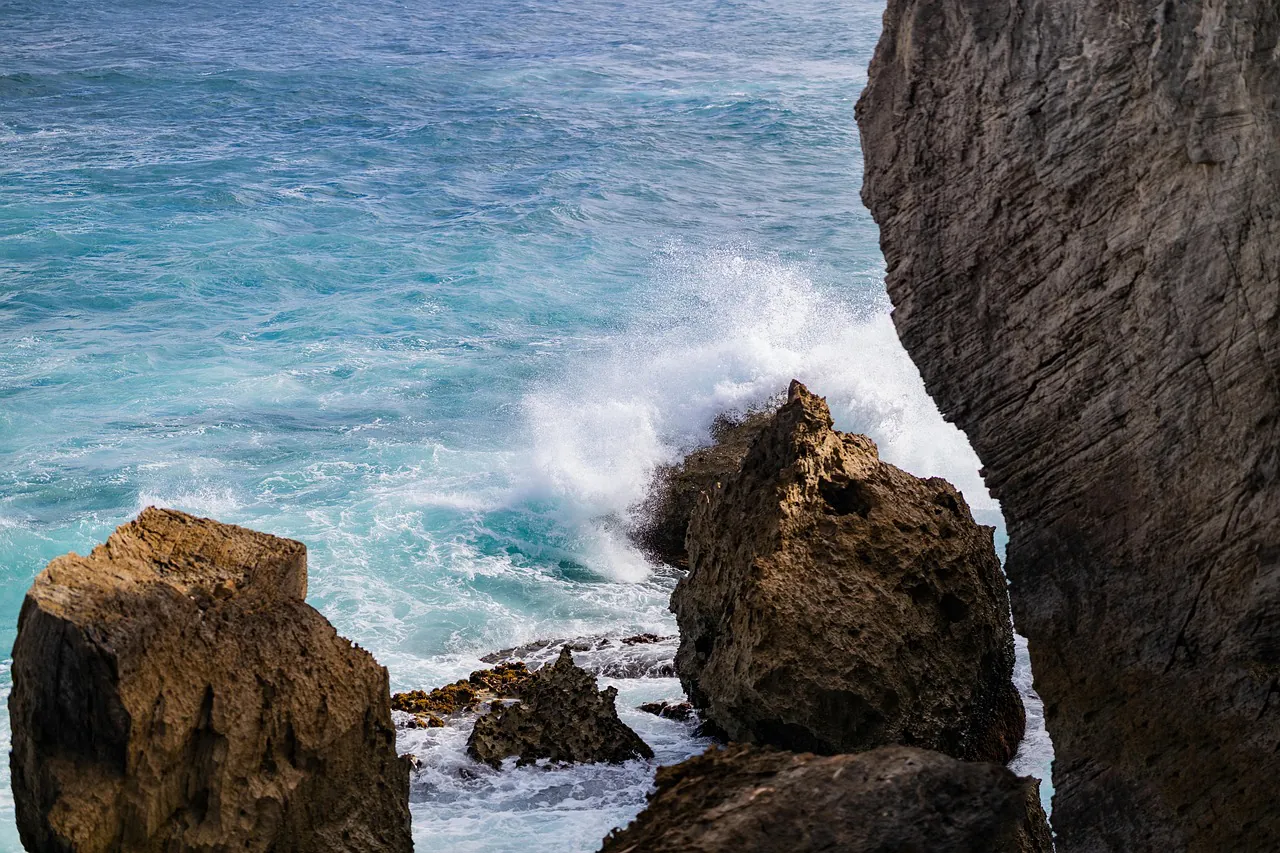
Hikiau Heiau & Nāpōʻopoʻo Beach Park
A 15th-century luakini heiau (temple) rebuilt under Kamehameha I. The shoreline is basalt boulders rather than sand. The picnic pavilion is the only real shelter on the south shore.
Practical: restrooms, outdoor rinse showers, 20–30 parking spaces. No sand, no ADA water ramp.
Plan Around It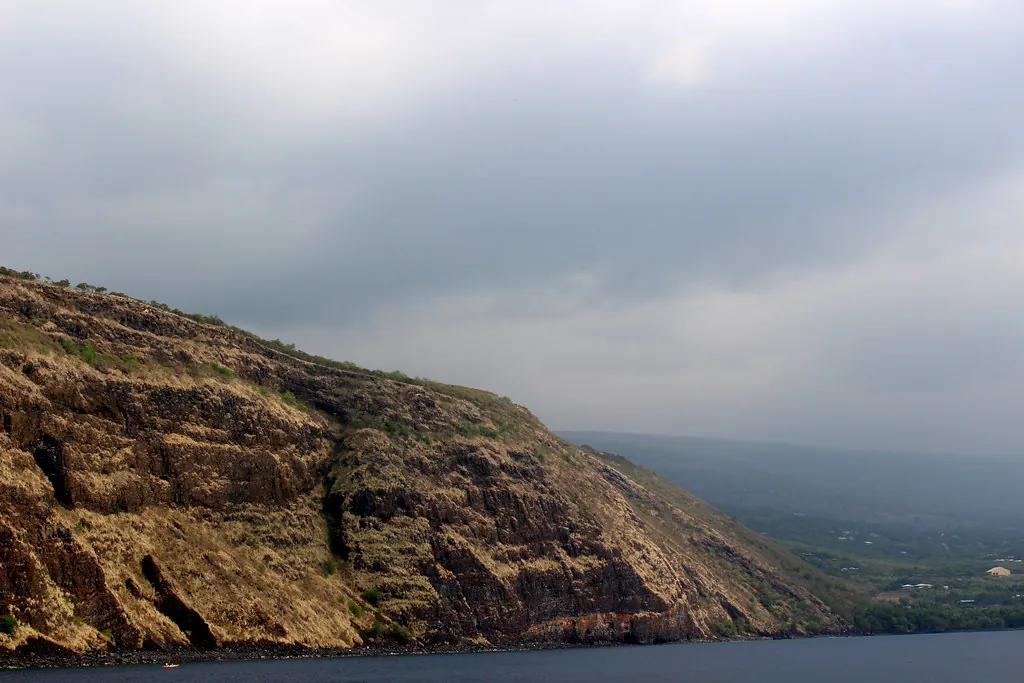
Kaʻawaloa Trail
A 1,300-foot descent over loose basalt scree and Guinea grass into the bay. Forty to fifty minutes down. Sixty to ninety minutes back up in direct afternoon sun.
Practical: start by 6:45 AM. Carry 2.5–3 L of water per person. No shade.
Trail Logistics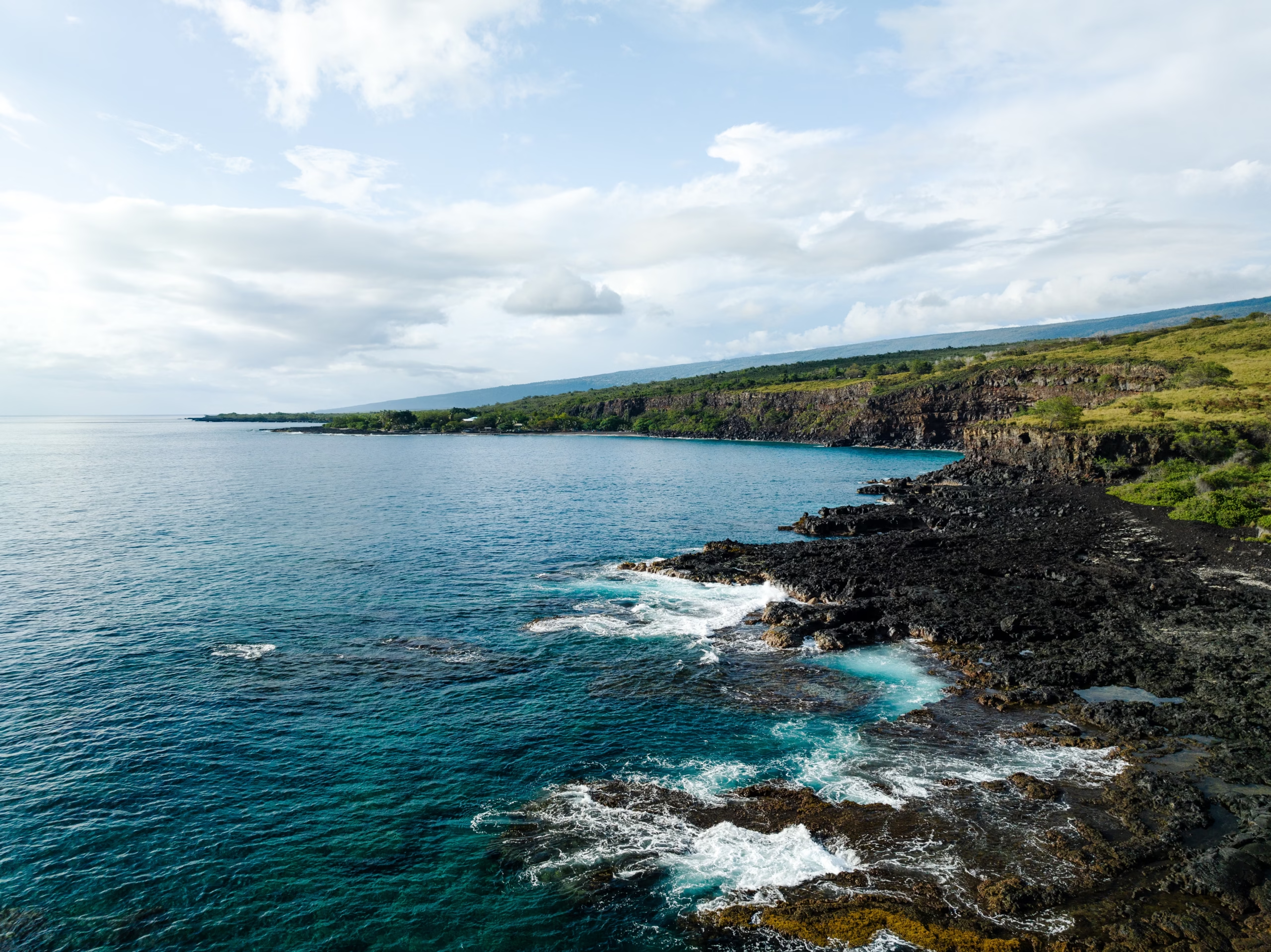
Pali Kapu o Keōua Cliffs
These 600-foot sea cliffs are the burial ground of Hawaiian aliʻi (royalty). Do not climb. Do not anchor. Photo from the water and move on.
Practical: best seen from a boat at 4–5 PM, when light rakes the rock face.
Cultural Rules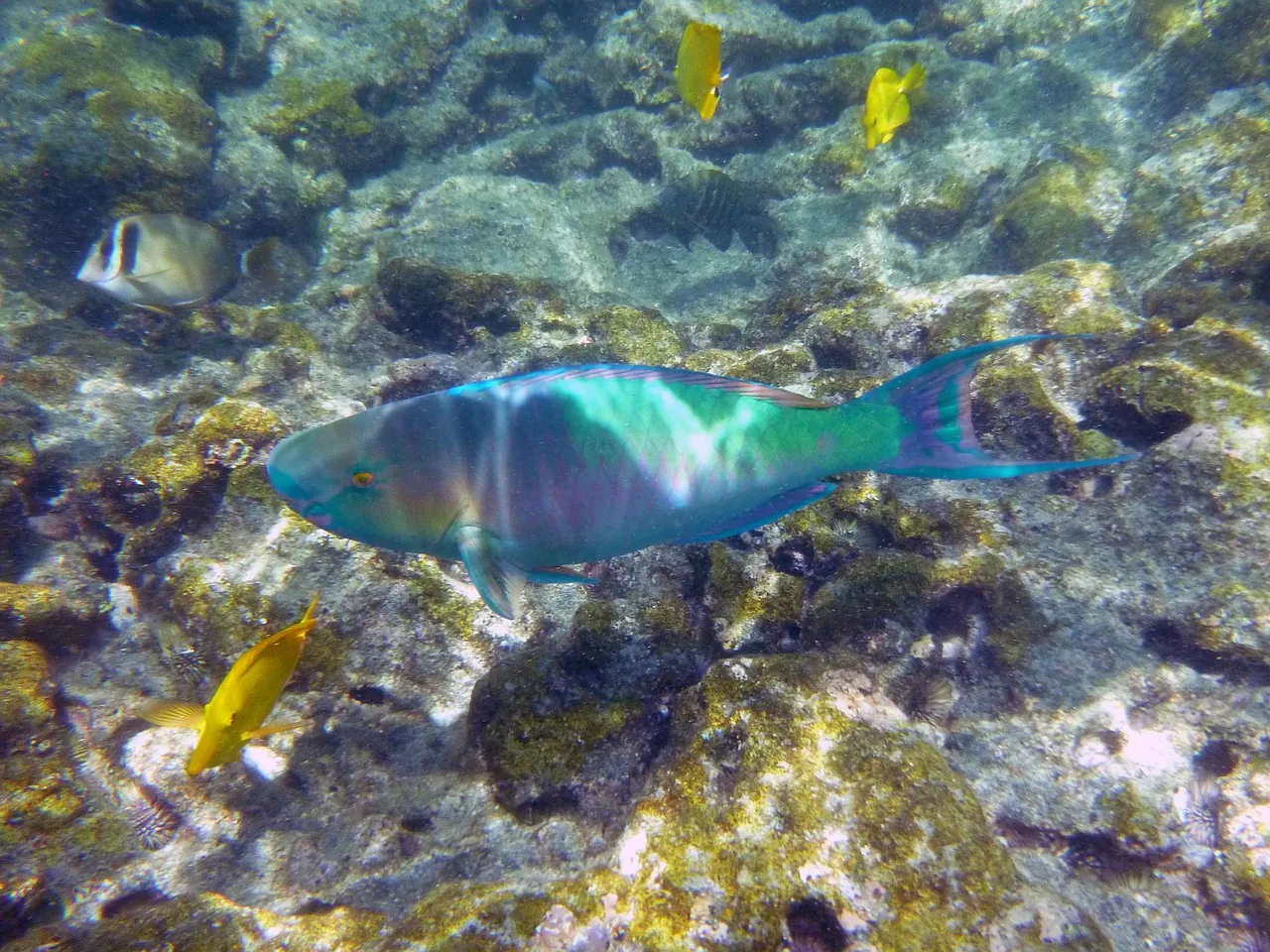
The MLCD Reef & Coral Shelf
Over 100 species of reef fish, green sea turtles, and coral coverage that has recovered dramatically since the 1969 protections. The shelf sits at 5–25 ft depth.
Practical: 100–120 ft visibility before 10:30 AM; 40–50 ft after the 11 AM breeze.
Snorkel Deep Dive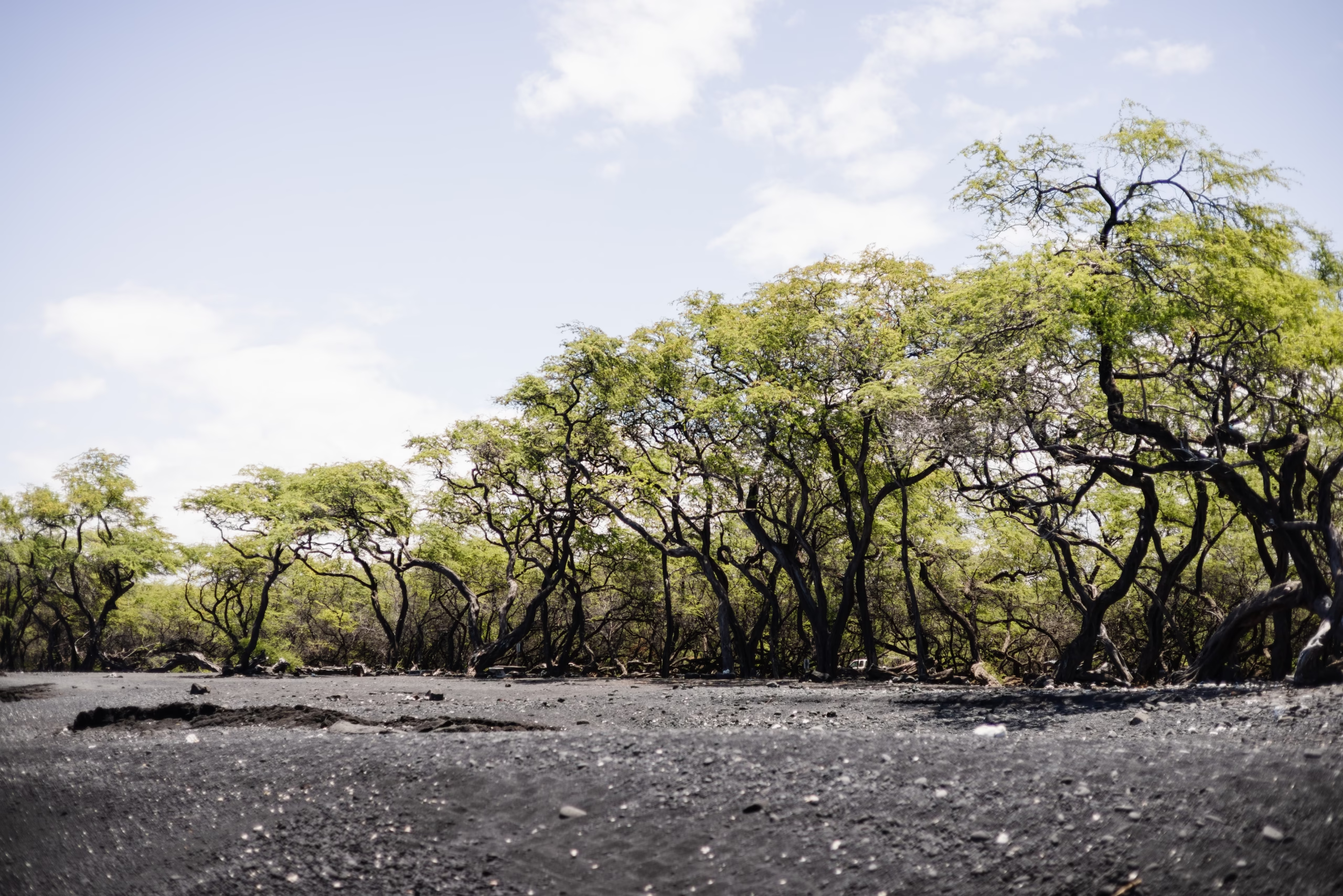
Nāpōʻopoʻo Wharf & Jetty
The concrete jetty 50 ft south of the obelisk is the standard entry point for shore snorkellers. The historic wharf itself is a strict no-launch zone for all vessels.
Practical: basalt shelf. Winter NW swell can push you onto the ledges. Check conditions first.
Access DetailsFour Ways In (And What Each One Actually Costs You)
Every route into Kealakekua Bay trades money for effort. No single answer suits every visitor, but the table below lays out the honest arithmetic.
| Route | Cost (per person) | Effort | Time Commitment | Suits |
|---|---|---|---|---|
| Hike Kaʻawaloa Trail | €0 / $0 (free) | Hardest. 1,300 ft descent, plus climb back. | 3–5 hrs round trip including snorkel | Fit, self-sufficient travellers who want the quietest morning window. |
| Guided kayak tour | €156–€230 (~$170–$250) | Moderate. 45–60 min paddle each way. | 4–5 hrs | Paddlers who want to land at Kaʻawaloa legally. Only 3 operators are licensed to beach. |
| Licensed boat tour | €92–€183 (~$100–$199) | Low. Step on, sit down, snorkel. | 2.5–5 hrs | Families, first-timers, cruise passengers, anyone without a car. |
| Shore snorkel at Nāpōʻopoʻo | €0 / $0 (free) | Low. Entry from the concrete jetty. | 1.5–3 hrs | Independent snorkellers staying in South Kona who want to skip the boat. |
Guided kayak and boat operators are covered in more depth at the kayak & boat access hub and tickets & tours page. Hikers who want trail-by-trail directions will find them on the transport page.
The Permit Reality Check
This is the rule that catches more visitors than any other. Under DLNR Division of State Parks administrative rules, every vessel transiting the MLCD, whether kayak, SUP, canoe, motorboat, or inflatable, must hold an official Vessel Special Use Permit before launching. Private non-commercial vessels apply to [email protected] at least 14 days ahead. Licensed rental fleets cover their customers under a fleet permit, but the onus is on you to confirm the DLNR decal is stuck to both sides of the bow before your money changes hands.
- Landing ban: Unguided rental kayaks, private boats, and commercial catamarans cannot land, moor, or tie up at Kaʻawaloa flats, the jetty, or the monument.
- Licensed landings: Only three commercial kayak operators (Kona Boys, Inc. and Adventures in Paradise among them) hold state special landing permits allowing guided groups to step onto shore.
- Wharf launching: Launching any watercraft from the historic Nāpōʻopoʻo concrete wharf is strictly prohibited.
- Enforcement: DOCARE officers patrol the bay. Expect fines, vessel confiscation, and escort back to shore for anyone caught pedalling past the rules.
Full breakdown of rental options and legal launch points: kayaking & boat access hub. Full list of vessel and shoreline rules: visitor rules & guidelines.
The History in 90 Seconds
You cannot separate the reef from the history, and the history deserves better than a plaque.
Ninety seconds is the abridged version. The full interpretive piece, including the Hawaiian account and the contested readings of Cook’s final days, sits on the Captain Cook & Hawaiian history hub. I would read it before you stand on the jetty. The obelisk is not the story. It is a marker of where a story goes wrong.
Things to Avoid in Kealakekua Bay: Tourist Traps & Red Flags
Proving editorial independence through unbiased criticism. These common tourist traps, booking mistakes, and safety hazards ruin visits when unplanned.
Unlicensed Roadside Kayak Touts (Cash Only, No DLNR Decal)
Guys in pickup trucks along Nāpōʻopoʻo Road will pitch you a cheap cash kayak rental and promise you can “land at the monument.” That is false and illegal. Rental kayaks cannot land at Kaʻawaloa. DOCARE officers do patrol the water. They will cite you, confiscate the vessel, and escort you back to shore. Only rent from shops displaying the DLNR decal on both sides of each boat’s bow, and only if you’re comfortable snorkelling while tethered. Guided kayak tours (from ~€156 / $170) are the only legal ways to actually step onto Kaʻawaloa flats.
Vehicle Break-Ins at the Kaʻawaloa Trailhead Shoulder
The unpaved shoulder off Nāpōʻopoʻo Road is not monitored. Thieves target rental cars with visible baggage, dry bags, and electronics. The fix is simple and non-negotiable: leave every bag at your hotel, keep rental paperwork out of sight, and leave the glove compartment and centre console propped open so anyone glancing through the window can see they are empty. Rental cars flagged as rentals are the most common target. If you cannot travel light, do not park there.
“Discount” Afternoon Cruises & Third-Party Resellers
The “cheap” afternoon boat tours often ferry you into the bay around 2–3 PM, when the morning fleet has cleared but the afternoon Kona wind chop has already killed visibility to 40–50 feet. You paid for the bay and got the murk. Book a morning departure (departing ~8:30–9 AM) if snorkelling is your priority. Separately, resellers advertising Kealakekua tours at implausibly low prices often have no relationship with the operator you end up on. Book through Viator, GetYourGuide, or Headout where the 24-hour cancellation policy is real.
Full-Face Snorkel Masks & Chemical Sunscreen
Full-face masks leak, CO₂ builds up, and panic underwater is not a red-badge moment. Use a standard mask and dry-top snorkel or a prescription mask. Separately, chemical sunscreens containing oxybenzone or octinoxate are banned in Hawaiian waters. Park and DLNR staff do inspect, and confiscation is real. Bring mineral-based SPF 30+ or a UPF 50 rash guard. Do not waste money on a “reef-safe” bottle bought at an airport kiosk that quietly contains the banned ingredients.
Night-Time Isolation & the “Passport Stamp” Myth
The park closes at 8 PM, and the lower shoreline, upper trailheads, and pavilions are pitch-black after dusk with no emergency call boxes and patchy mobile reception. Do not stay for sunset photographs on the trail. Separately, if someone is selling you a “Captain Cook passport stamp” or scraping a souvenir off the monument, both are scams. There is no official passport stamp at Kealakekua Bay. The US National Park Service issues one at Puʻuhonua o Hōnaunau 4 miles south, and that is the legitimate one.
Safety Without the Lecture
Kealakekua Bay is not dangerous. It is indifferent. Here is what it wants from you.
No lifeguards
Neither Kaʻawaloa flats nor Nāpōʻopoʻo Beach has a stationed lifeguard. Nearest emergency response is 20–30 minutes out.
Winter NW swell
November through March, northwest swell can push heavy surge across the basalt shelf. If the jetty is churning, do not enter. Lacerations from volcanic ledges are the most common Kealakekua injury.
Return climb heat
1,300 ft up through unshaded Guinea grass at 90°F+. Heat exhaustion is the most common cause of trail rescue here. Hydrate, start early, do not attempt the return at noon.
8 PM closure
Gates at Nāpōʻopoʻo lock at 8 PM. The trailhead shoulder has no lighting and no emergency call boxes. Do not linger past dusk.
Dolphin rule & fine ceiling
Federal 50-yard distance from spinner dolphins. Approach violations carry civil penalties starting at $1,000 (€920). If a dolphin comes to you, stay still; do not pursue.
Mobile signal
Spotty at best once you drop below Nāpōʻopoʻo Road. Download offline maps and share a plan with someone before you lose coverage.
The regional context, including seasickness, entry/exit technique, and who should sit it out, is covered on the Hawaii snorkelling safety guide.
Timing: The Two Quiet Windows
Commercial catamarans from Keauhou Bay, including the 60-foot Fair Wind II, moor at Kaʻawaloa around 9:15–9:30 AM. Smaller rigid-hull inflatables and guided kayak groups pile in immediately after. Between 9:45 AM and 12:30 PM you can share the cove with 100–200 other snorkellers. Two windows beat that entirely.
The Early Morning Quiet Window
Start down the Kaʻawaloa Trail at 6:30–6:45 AM and you reach the monument before 7:30. Flat water, glassy surface, 100+ ft visibility, and marine life still feeding undisturbed. This is the window locals and returning visitors aim for.
The Midday Lull Window
Morning catamarans depart Kaʻawaloa between 12:30 and 1:15 PM, leaving the cove unusually empty. Afternoon breeze means surface chop and 40–50 ft visibility, but you will have the reef much closer to yourself. Hikers still need to manage the return climb in warm afternoon temperatures.
Activities to Build Your Day Around
Snorkelling & Reef Watching
The core reason most people come. Best reef access is via a licensed operator or the Kaʻawaloa jetty, with a morning window that delivers visibility you will not see in most of Hawaii’s other bays.
Snorkel Hub →
Kayaking & Paddle Access
Independent paddling is possible but permit-gated and does not allow landing. Guided kayak tours are the only legal route to step onto Kaʻawaloa flats. Every rental must show DLNR decals on both bow sides.
Kayak Hub →
Boat Tours & Catamaran Cruises
From a half-day zodiac snorkel run (~€83 / $90) to a 3-hour historical dinner cruise (~€175 / $189), the range covers snorkellers, families, and history buffs alike. Departures from Keauhou Bay and Honokōhau Harbor.
Compare Tours →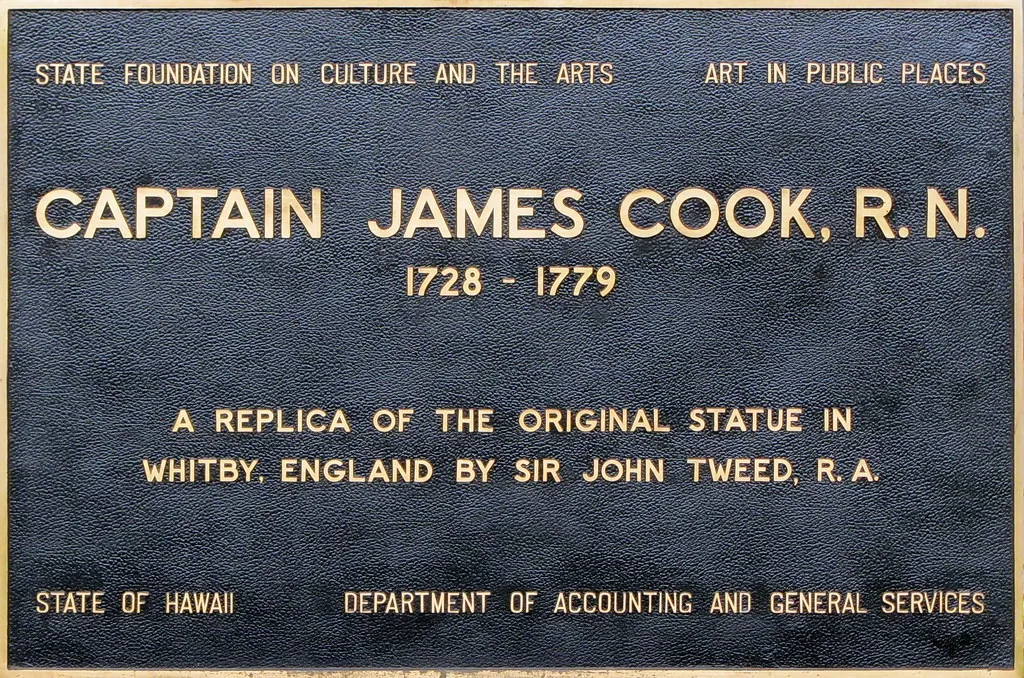
Hiking the Kaʻawaloa Trail
Free, brutal, and worth every step for the early morning window. 1.9 mi each way, 1,300 ft descent, Guinea grass, basalt scree, no shade. Frozen electrolytes are your friend.
Trail Directions →Eat & Refuel Nearby
You will be hungry after the trail. South Kona does not do fine dining at scale, which is exactly why the three stops below are worth the detour.
The Coffee Shack
On Route 11 above Kealakekua Bay with a balcony view most restaurants would kill for. Order the Kona coffee and the lilikoi cheesecake. Cash and card accepted. Arrive before 10 AM to skip the queue.
Kaaloa’s Super J’s
A tiny family-run Hawaiian food stand in Captain Cook known for lau lau and kalua pork. Cash preferred. Portions big enough to fuel the trail return climb. This is the plate lunch you will still be thinking about in a year.
Shaka Tacoz
Fish tacos and burritos in Kainaliu, five minutes south of the bay turn-off. Fast, generous, and open when the Waterfront Row spots in Kailua-Kona are jammed. Good stop before the drive back north.
For a fuller half-day South Kona itinerary that strings coffee farms, lookouts, and a respectful bay viewpoint into one loop, read the Kona coffee & South Kona scenic drive. Lodging, facilities, and accessibility details live on the Plan Your Visit hub.
Every Kealakekua Bay Hub in One Place
Nine guides, each doing one job. Pick the one that matches your next question.
Where You’ll Be Standing
Drop a pin. Point the camera. Check the swell. This is the bay in context.
Kealakekua Bay: Quick Direct Answers
Can you snorkel in Kealakekua Bay without a tour?
Is Kealakekua Bay the same as Captain Cook?
Is Captain Cook, Hawaii worth visiting?
Can you swim at Kealakekua Bay?
Is $5,000 enough for a week in Hawaii?
The Bay Is Not Going Anywhere. The Morning Is.
Every morning before 9 AM, Kealakekua Bay hands out one hundred feet of visibility and a reef that has had fifty years of quiet recovery. Every afternoon, it hands out forty feet and a crowd. Choose your window deliberately, and choose your route deliberately.
What the Bay Looks Like Today
Further reading: Verify current regulations and conditions with DLNR Division of State Parks, the NOAA National Ocean Service for dolphin distance rules, the USGS Hawaiian Volcano Observatory for South Kona geology, and the Hawaiian Islands Humpback Whale National Marine Sanctuary. For licensed tour operators, refer to the Viator Big Island directory.