Kealakekua Bay snorkeling has a reputation that is almost unfair. On a still, sparkling morning the water off Kaʻawaloa can run 100 to 120 ft of horizontal visibility, which is less like a swimming pool and more like looking through gin. Then the Kona breeze arrives around 11:00, the surface chops, and visibility halves. That three-hour window is the whole game. The 315-acre Marine Life Conservation District (MLCD) is why the reef still looks like this: fishing is tightly limited, anchoring is regulated, and the coral has had room to recover.
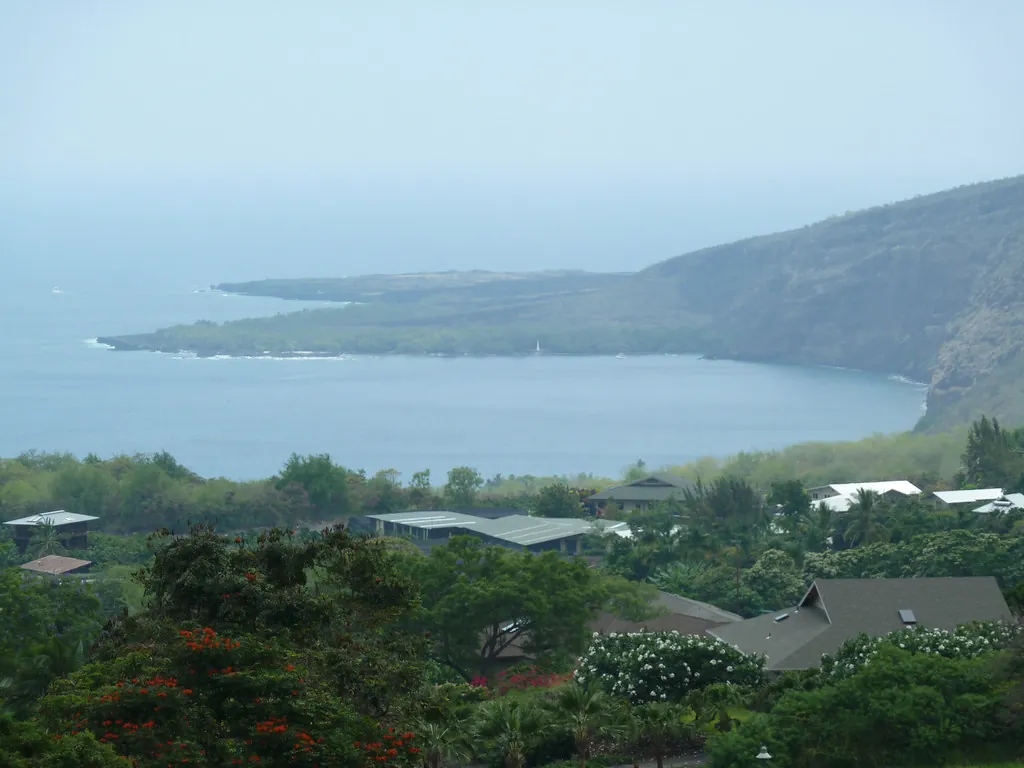
Kealakekua Bay is not the same as Captain Cook. Captain Cook is the upland town and postal address; the bay and the monument sit at the end of Nāpōʻopoʻo Road. Not many visitors realise that until they have driven past the turn for the second time. And the bay is not one snorkel site. It is two, with different entry rules, different reef character, and a strict daily clock.
Two snorkel zones, two very different days out
Zone A: Kaʻawaloa Flats
The monument side. Deep entry, coral shelves, boat traffic, zero facilities. Best for confident swimmers who want the classic Captain Cook Monument reef and can handle a shoreline with no loos, no water, no bins, and no shade.
Zone B: Nāpōʻopoʻo and Manini Beach
The southern shoreline. Rocky entry, shallower reef, public restrooms and rinse showers, and a $0.00 price tag. Best for independent travellers who want a free swim and do not mind boulders underfoot.
Zone A: Kaʻawaloa Flats and the Captain Cook Monument reef
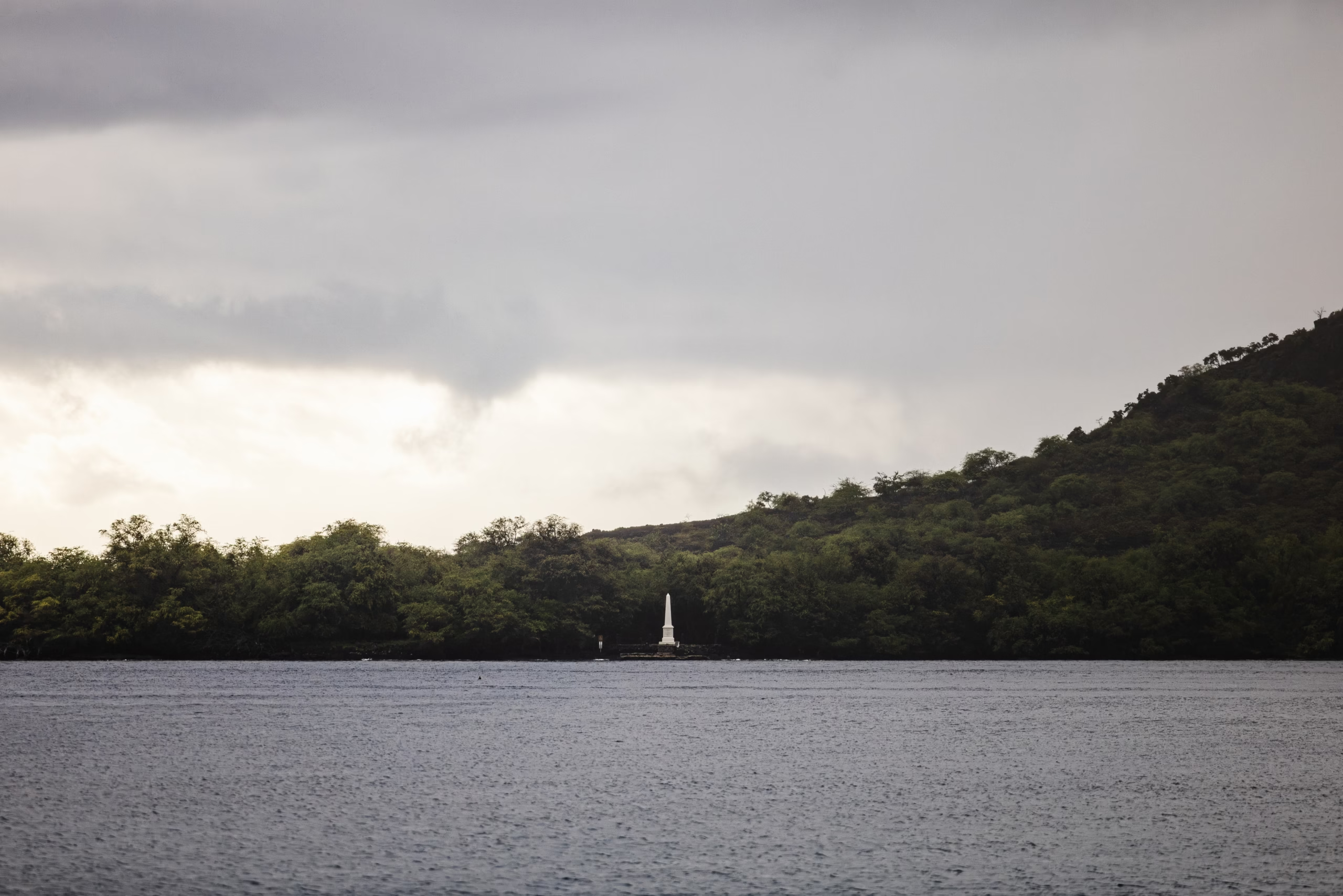
This is the postcard: finger coral, lobe coral, pāhoehoe lava benches, and the 27-ft obelisk standing above the water like a punctuation mark. The monument is a landmark, not a dive platform. Treat it as you would a churchyard. There is no municipal infrastructure here at all. No water, no loos, no bins, and no shade. Hikers must carry everything down and back up, including their rubbish.
The entry point most people get wrong
Walk roughly 50 ft south of the obelisk and you will find the concrete jetty. Sit down. Put your mask on. Watch the surge for a full minute, then slide into deep water. Do not step across the live coral flats. That is the single most damaging thing a visitor can do here, and it is also a good way to cut a foot. At low tide, southwest of the obelisk, you can find the submerged bronze plaque marking where Cook fell. It is easy to miss, which is somehow fitting. Read the Captain Cook and Hawaiian history page before you go if you want the full context.
Zone B: Nāpōʻopoʻo and Manini Beach, the free and rocky option
Nāpōʻopoʻo is the underrated side. The shoreline is basalt boulders, not sand, and there is no ADA ramp into the water. What you do get is a paved access road, public restrooms, outdoor freshwater rinse showers, and a covered picnic pavilion. Swim south for coral and honu at $0.00. It is a bit of a mission with a dry bag and a cool box, but the reward is a quieter entry and no boat queue. Parking fills by 9:00 on weekends, so arrive early or come for the midday lull. Full driving and parking details live on the transport page.
What you will see: Kealakekua Bay marine life
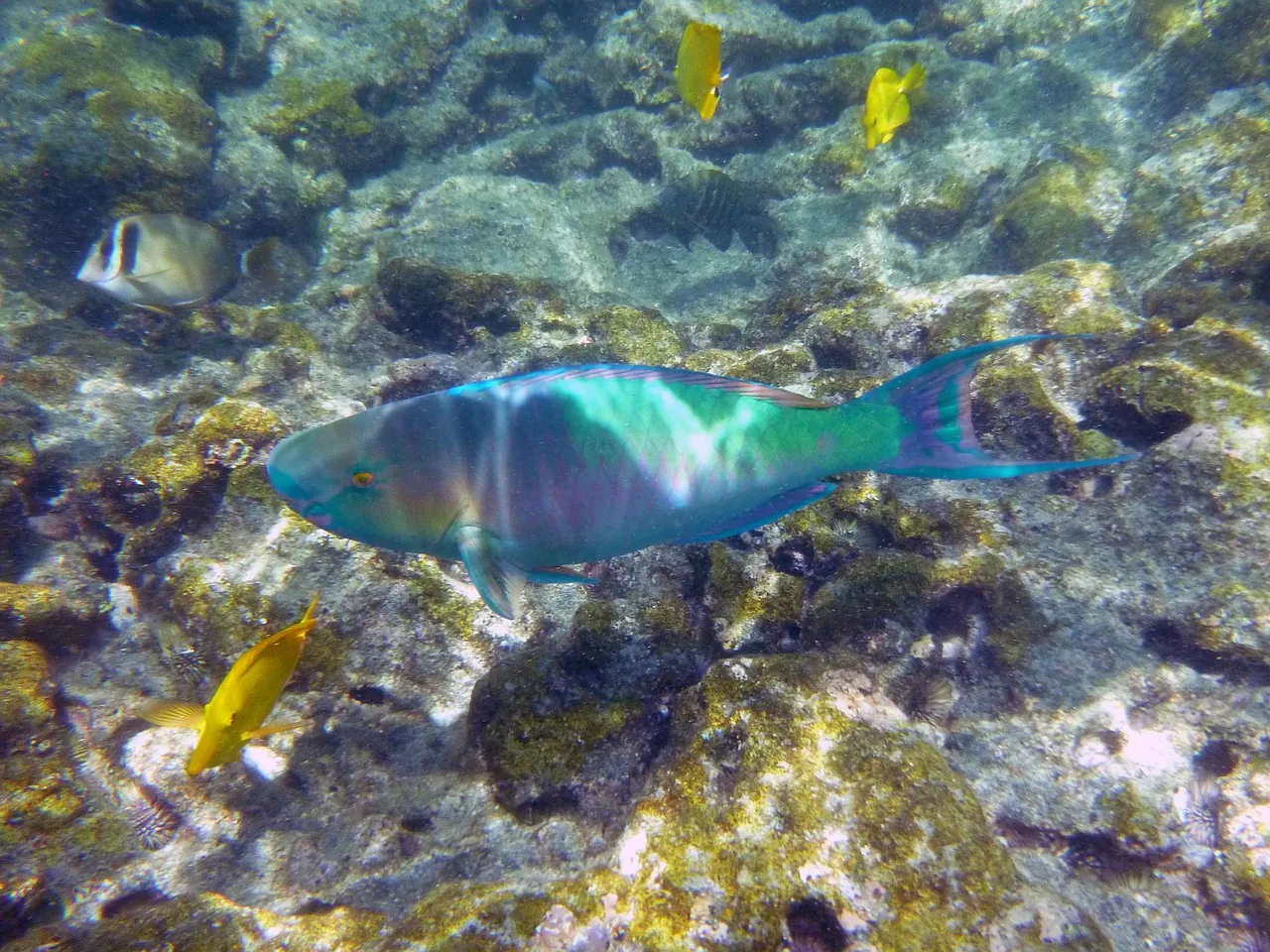
The reef is the reason the bay is protected, and the marine life is not shy once the boats thin out. Green sea turtles (honu) graze on algae along the shelf. More than 100 reef fish species move through the coral, including butterflyfish, tangs, wrasses, and the occasional rainbow-hued parrotfish. In the rock fissures at the entry, you will see urchins, including the long-spined vana (Echinothrix diadema), so keep your hands where you can see them. Spinner dolphins also use the bay to rest.
That last point matters. Federal rules require you to stay at least 50 yards from spinner dolphins anywhere within 2 nautical miles of the main Hawaiian Islands, and the rule sits under the Marine Mammal Protection Act at 50 CFR Part 216. Civil penalties can run past $30,000 per violation. The dolphins are resting, not performing. If they choose to swim past, that is a gift, not a schedule. The NOAA Fisheries spinner dolphin guidance is worth a read before you get on a boat.
The dolphins are not a show. If they choose to swim past, that is a gift, not a schedule.
The water clarity clock
This is the most useful paragraph on the page. The bay has a daily rhythm, and the snorkeling changes with it. Early morning is glassy and bright. By 11:00 the leeward Kona breeze arrives, the surface chops, and visibility drops to 40 to 50 ft. The afternoon lull brings fewer boats but milky water. Plan around the clock, not around your breakfast. Seasonal detail sits on the best time and weather page, and the regional view is on best months for snorkeling in Hawaii.
| Time window | Conditions | Visibility | Best for |
|---|---|---|---|
| 7:00 to 10:30 | Glassy, calm, cool | 100+ ft | Photography, early hikers, confident swimmers |
| 11:00 to 12:30 | Kona breeze, surface chop | 40 to 50 ft | Boat tours already in the water |
| 1:00 to 3:30 | Midday lull, fewer boats | 40 to 50 ft | Independent visitors avoiding crowds |
| 4:00 to 7:00 | Late light, trail traffic drops | Variable | Viewpoints and shoreline walks, not snorkeling |
Currents, surge and the exit problem
Can you swim at Kealakekua Bay? Yes, but there are no lifeguards at Kaʻawaloa Flats or Nāpōʻopoʻo Beach, and the exit is the hard part. Winter northwest swell, roughly November to March, pushes surge across the shallow basalt shelf. The concrete jetty at Kaʻawaloa can turn dangerous in heavy swell, pushing swimmers onto volcanic ledges. That means deep lacerations and painful urchin punctures. If the ocean is showing heavy surge, do not enter the water. The broader safety picture is covered in Hawaii snorkeling safety.
Can you snorkel Kealakekua Bay without a tour?
Yes. You can snorkel Kealakekua Bay without a tour, but only if you choose one of three legal routes and accept the trade-offs. The free route is the 3.8-mile round-trip Kaʻawaloa Trail, which descends 1,300 vertical ft. The kayak route costs roughly $65 to $70 for a licensed rental, and you are not allowed to land at Kaʻawaloa. The boat route costs $80 to $250 and removes the physical effort. Pick the one that matches your fitness, your patience, and your budget.
| Access route | Typical cost | Physical demand | Key rule |
|---|---|---|---|
| Kaʻawaloa Trail hike | $0.00 | 3.8 miles round trip, 1,300 ft ascent | Carry 2.5 to 3 litres of water per person |
| Licensed kayak rental | ~$65 to $70 (about €60 to €65) | Paddling plus deep-water snorkeling | DLNR decals on both sides of the bow, no landing |
| Boat tour | $80 to $250 (about €74 to €230) | Low, but you share the cove | Moor offshore, no shoreline landing |
| Licensed guided kayak tour | Usually $150+ | Moderate, with a guide | Only three operators hold landing permits |
Kayak reality check
Every vessel in the bay needs a DLNR Vessel Special Use Permit. Commercial kayak operators must display valid registration decals on both sides of each bow. You cannot launch from the historic Nāpōʻopoʻo concrete wharf, and unguided rental kayaks cannot land at Kaʻawaloa. Only three licensed commercial kayak tour operators hold special state landing permits. Ignore the roadside vendors who offer cheap cash rentals and tell you otherwise. DOCARE officers patrol the water, cite illegal paddlers, and confiscate unauthorised vessels. The deep version of this is on the kayaking and boat access page, and the permit framework is set out by the Kealakekua Bay snorkeling has a reputation that is almost unfair. On a still, sparkling morning the water off Kaʻawaloa can run 100 to 120 ft of horizontal visibility, which is less like a swimming pool and more like looking through gin. Then the Kona breeze arrives around 11:00, the surface chops, and visibility halves. That three-hour window is the whole game. The 315-acre Marine Life Conservation District (MLCD) is why the reef still looks like this: fishing is tightly limited, anchoring is regulated, and the coral has had room to recover. Kealakekua Bay is not the same as Captain Cook. Captain Cook is the upland town and postal address; the bay and the monument sit at the end of Nāpōʻopoʻo Road. Not many visitors realise that until they have driven past the turn for the second time. And the bay is not one snorkel site. It is two, with different entry rules, different reef character, and a strict daily clock. The 60-ft Fair Wind II leaves Keauhou Bay between 8:30 and 9:00, and the smaller rigid-hull boats follow. Sea Quest runs faster Zodiac-style trips, which suits people who would rather not spend the morning under sail. Morning trips cost more because they hit the good water. The cheaper afternoon trip saves you $20 to $40 and gives you half the visibility. That is a false economy if snorkeling is the point of your day. Compare departures and prices on the tickets and tours page before you book. Bring a standard two-piece silicone mask and snorkel. The major operators refuse full-face masks because of CO2 build-up, and honestly, they are right to. My old mask, Old Faithful, is scratched and unfashionable and still fits better than anything I have rented. Hawaiʻi Act 104 bans oxybenzone and octinoxate in sunscreens sold in the state. Use mineral non-nano zinc or titanium only, and add a UPF 50+ rashguard. Crews do check bags at the harbour. Kealakekua Bay snorkeling has a reputation that is almost unfair. On a still, sparkling morning the water off Kaʻawaloa can run 100 to 120 ft of horizontal visibility, which is less like a swimming pool and more like looking through gin. Then the Kona breeze arrives around 11:00, the surface chops, and visibility halves. That three-hour window is the whole game. The 315-acre Marine Life Conservation District (MLCD) is why the reef still looks like this: fishing is tightly limited, anchoring is regulated, and the coral has had room to recover. Kealakekua Bay is not the same as Captain Cook. Captain Cook is the upland town and postal address; the bay and the monument sit at the end of Nāpōʻopoʻo Road. Not many visitors realise that until they have driven past the turn for the second time. And the bay is not one snorkel site. It is two, with different entry rules, different reef character, and a strict daily clock. Do not touch coral. Do not stand on the reef. Do not feed fish or chase honu. Those rules are not decorative, after all; the MLCD exists because people broke them for decades. Hikiau Heiau and Pali Kapu o Keōua are not backdrops. They are temple and burial sites, and they deserve the same quiet you would give a village church. Read the visitor rules and guidelines before you go, and treat the Captain Cook and Hawaiian history page as essential context rather than optional reading. Non-swimmers should not snorkel here. Nor should anyone who cannot handle an unmonitored exit, a rocky shoreline, or a 1,300-ft climb in direct sun. Seasickness, claustrophobia with masks, recent ear or heart issues, and poor fitness for the trail are all good reasons to stay dry. There is no shame in taking a boat tour instead, or in spending the morning at the lookout with binoculars. The dedicated Kealakekua Bay FAQ covers more of these edge cases. The state historical park opens daily from 7:00 to 20:00 and day-use admission is free. The southern lot at Nāpōʻopoʻo holds 20 to 30 vehicles and fills by 9:00 on weekends. Trail parking sits on the unpaved shoulder of Nāpōʻopoʻo Road, about 500 ft west of the Highway 11 junction, and takes 15 to 20 cars. There is no road down to Kaʻawaloa Flats. Hikers need 2.5 to 3 litres of water per person, electrolytes, and sun protection. Pack out everything you bring in. The park closes at 20:00, the shoreline goes pitch-black after dusk, and mobile reception is patchy. Check the National Weather Service Honolulu forecast for swell before committing. Set the alarm for 6:15, start the trail by 6:45, or aim for the 13:00 lull if you are coming by boat. Carry more water than you think you need. Wear the reef-safe sunscreen. Leave the coral alone. And let the bay lead: it is much better at setting the pace than we are.
Boat tours: what the money actually buys
Gear, masks and the sunscreen law
Reef etiquette and cultural respect
Who should sit this one out
Practical logistics before you get wet