Plan the Bay Like a Half-Day, Not a Day Out
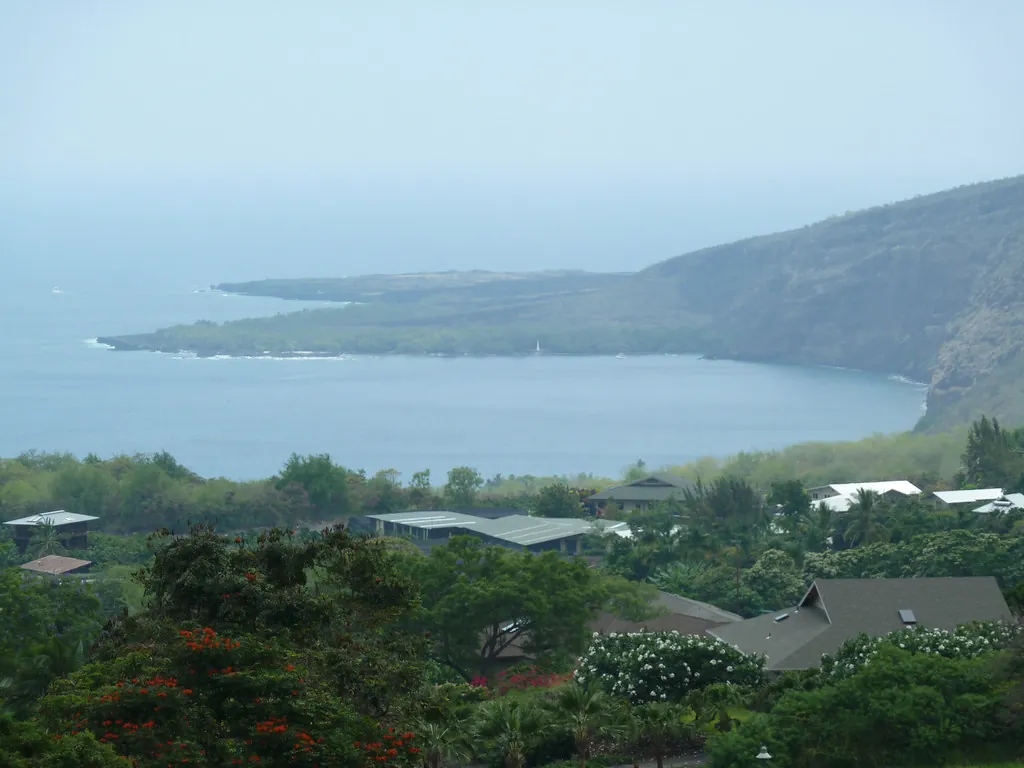
Kealakekua Bay (try “keh-ah-lah-keh-KOO-ah”) is a 315-acre Marine Life Conservation District with almost nothing at the water’s edge. No snack bar, no rental shack, no boardwalk, no bins. That single fact shapes a better itinerary than any packing list, and it is why I tell visiting friends to treat the bay as a half-day with a hard start time rather than something to wedge between a lie-in and a luau.
Four to five hours is the honest number. Bolt the bay onto a Kona resort morning and you tend to arrive at eleven, park badly, snorkel for twenty rushed minutes in the middle of the catamaran rush, then leave wondering what all the fuss was about. Give it a proper window and you come back grinning. Patience gets rewarded here; hurry gets a carpark argument.
What follows is the planning side of things: where to sleep, where to eat, what to pack, how long each option genuinely takes, and who should probably sit this one out. Turn-by-turn routing lives on the getting to Kealakekua Bay page, the legal fine print sits under visitor rules, and month-by-month conditions belong on best time and weather. Nothing here is a booking page either. When you’re ready to weigh operators, the cards are on tickets and tours.
Give the bay four hours and it hands you a hundred feet of visibility. Give it forty minutes and it hands you a parking dispute.
Where 96704 Actually Is (and Why the Postcode Confuses Everyone)
The bay sits in the South Kona District, roughly twelve miles south of Kailua-Kona as the mynah bird flies. Postcodes here are a shambles. Businesses strung along Māmalahoa Highway above the water list themselves as Captain Cook, HI 96704. The village of Kealakekua itself uses 96750. A fair few listings split the difference and print “Kealakekua, HI 96704,” which exists on no postal map I’ve ever found. If you’re searching for Kealakekua Bay Hawaii 96704 accommodation, just know the code covers a long stretch of hillside, not a tidy village centre.
The other trap is the name “Captain Cook.” It refers to the monument down at the water, to the census-designated town up on the highway, and to a post office in between. Satnav systems cheerfully send visitors to the town’s shopping centre and announce they’ve arrived when they’re 1,300 vertical feet above their snorkel. Type “Nāpōʻopoʻo Beach Park” or “Captain Cook Monument Trailhead” into your phone instead. Few travellers realise how often this happens, but I’ve talked three separate rental cars off that particular ledge this year.
| Starting point | Distance | Drive time | Notes |
|---|---|---|---|
| Kailua-Kona town centre | 12–13 mi | 25–35 min | Slow going south of Keauhou; allow extra at rush hour |
| KOA (Ellison Onizuka Kona International) | ~20 mi | 35–45 min | Easy first stop if you land before 10am |
| Keauhou Bay | ~7 mi | 15–20 min | Where most catamarans and raft tours depart |
| Puʻuhonua o Hōnaunau | ~8 mi | 20 min | Pairs neatly as an afternoon add-on |
| Hilo | 100–110 mi | 2 h 30 min + | Saddle Road is quicker; the southern belt road is prettier |
How Much Time Do You Actually Need?
More than you think, less than you fear. I’ve timed every version of a bay visit at least a dozen times since 2016, mostly because I keep forgetting things and having to start over. Here are the realistic blocks, door to door, including parking, faffing and the bit where someone can’t find their other fin.
| Option | Time on the water / trail | Total door-to-door | Best for |
|---|---|---|---|
| Shore snorkel at Nāpōʻopoʻo | 20–30 min | 1.5 hours | Short on time, shaky swimmers, families with toddlers |
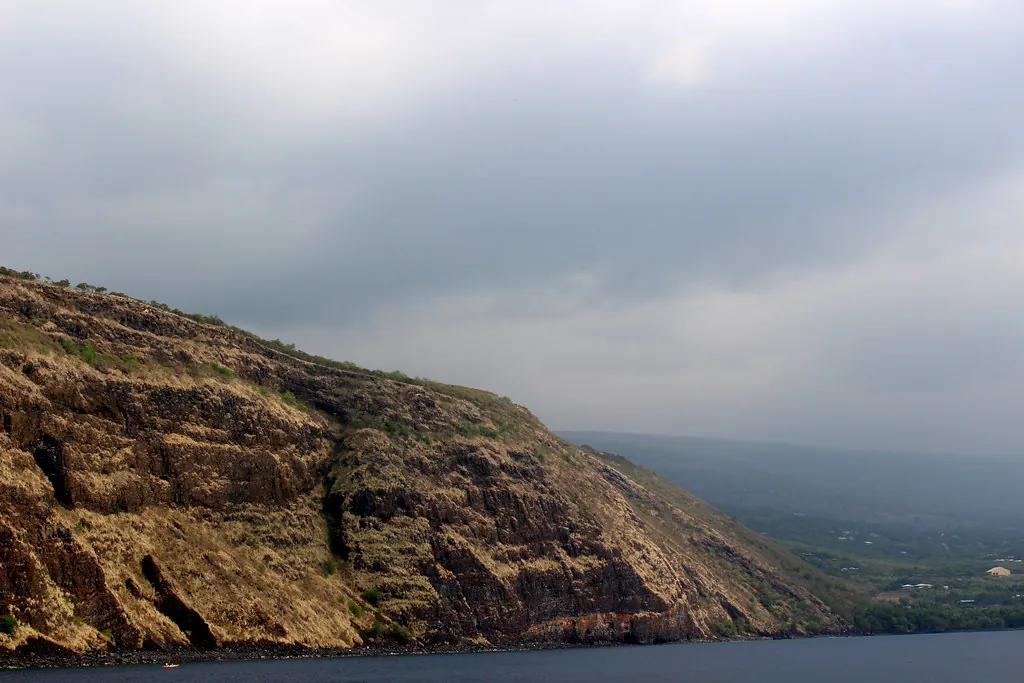
| Kaʻawaloa Trail to the monument | 3.8 mi round trip; 40–50 min down, 60–90 min back up | 3.5–4 hours | Fit hikers who want the cove without a boat |
| Morning catamaran from Keauhou | 4.5–5 hours aboard | 5–5.5 hours | Anyone who wants breakfast, a head start and a loo |
| Guided kayak | 4–5 hours | Half day plus | Paddlers who want to land at Kaʻawaloa legally |
| Afternoon sail | 3.5 hours | 4 hours | Late risers and the 1pm to 3:30pm lull |
Two crowd windows matter more than any of the above. Hikers who start down the trail at 6:30–6:45am reach the monument before 7:30 and get roughly two hours of glassy water and 100-foot visibility before the first catamaran moors. The second window runs 1pm to 3:30pm, after the morning boats clear out. Surface chop picks up and visibility drops to 40 or 50 feet, but you’ll have the reef largely to yourself. Judging which suits your legs and your patience is half the planning job.
Picking Your Base: Kailua-Kona vs Captain Cook vs Keauhou
This is accommodation logic, not a hotel roundup, and it matters far more than which resort has the nicer pool photos. Most searches for Kealakekua Bay Hawaii USA hotels land people in Kailua-Kona because that’s where the inventory is. Sensible enough. Just be clear about the trade-off: 25 to 35 minutes each way, every time you want the bay.
Kailua-Kona
12 to 17 miles out, 25 to 35 minutes. Restaurants, pharmacies, rental cars, the lot. Best if you want one base for the whole island and don’t mind the drive. Book a place with a real car park, not street parking.
Captain Cook (upland)
Coffee-farm stays and B&Bs on the hillside, ten minutes from the trailhead. Superb for a 6:30am start and for bird noise instead of traffic noise. Expect narrow driveways and a distinct lack of nightlife.
Keauhou
Seven miles from the bay and walking distance to the harbour where boats leave. Ideal if you’ve booked a morning cruise and don’t fancy a 6:15am drive. Condo-style rentals dominate here.
One caution on vacation rentals: a handful of South Kona listings advertise “walk to Kealakekua Bay” when they mean a forty-minute walk down a road with no pavement and a hill on the return. Ask for the actual street name before you book. For crowd trade-offs by season, the best time and weather page does that job properly.
Eating in South Kona: Three Reliable Stops and Their Hours
Kealakekua Bay Hawaii USA restaurants are thin on the ground once you drop off the highway, so plan food before you commit to the water. Three places I send people to, all of them on or just off Māmalahoa Highway, all of them worth the detour.
- The Coffee Shack, 83-5799 Māmalahoa Hwy, Captain Cook, HI 96704. Open daily, 7:30am to 3pm, and the kitchen stops taking orders on the dot. That hard 3pm close wrecks more itineraries than any other single detail on this coast, and I’ve watched grown adults weep at the gate at five past. Breakfast plates run $12–18 (~€11–16), the lanai view is genuinely absurd, and the drive up from the bay takes about ten minutes. Check current hours on the Coffee Shack website before you set off.
- Kaaloa’s Super J’s, 83-5409 Māmalahoa Hwy, Captain Cook. A tiny family counter doing laulau and kālua pork that people drive from Hilo for. Cash-friendly, $12–20 (~€11–18) a plate, and the laulau before a hike is a serious argument in its own right: pork and taro hold you for hours on a hot trail in a way a pastry simply doesn’t.
- Shaka Tacoz, on Māmalahoa Highway just south of the Captain Cook junction. Look for the queue. Fish tacos and burritos, $10–16 (~€9–15), fast enough to eat before a 1pm boat and sturdy enough to survive a bumpy Zodiac ride back.
If you take one piece of timing advice from me: check that the kitchen is still serving before you promise anyone a Coffee Shack breakfast. Three o’clock means three o’clock.
Facilities Reality Check
The two ends of the bay could not be more different. One has a toilet block and a rinse shower; the other has literally nothing, and I mean nothing, including shade in the middle of the day. Set expectations before you promise anyone a comfortable afternoon.
| Facility | Nāpōʻopoʻo Beach Park | Kaʻawaloa Flats (Monument) |
|---|---|---|
| Road access | Paved all the way down | None; foot or boat only |
| Parking | Free lot, 20–30 cars, full by 9am at weekends | Not applicable |
| Restrooms | Yes, public | None |
| Freshwater rinse | Outdoor showers | None; bring your own 2L for a rinse |
| Shelter | Covered picnic pavilion | None |
| Shoreline | Basalt boulders, no sand | Shallow rock shelf and concrete jetty |
| Water entry | Boulder scramble, no ADA ramp | Jetty or reef shelf, surge-dependent |
| Drinking water | Bring your own | Bring 2.5–3 L per person minimum |
| Bins | Yes | None. Pack it in, pack it out |
| Lifeguard | None | None |
| Mobile signal | Patchy | Effectively none |
Official park details and any closures are posted by the Parking, Timing and the 9 AM Cliff
The southern lot at Nāpōʻopoʻo holds 20 to 30 cars and is free. On weekends it fills by 9am, and when I say fills I mean a queue of optimistic SUVs reversing into each other. The Kaʻawaloa trailhead up on Nāpōʻopoʻo Road is an unpaved shoulder about 1.3 miles (2.1 km) down from the Highway 11 junction, takes 15 to 20 cars, and is entirely unmonitored. Gates at Nāpōʻopoʻo run 7am to 7pm; after dark both the lot and the trailheads are pitch black. Three litres of water per person, minimum. Not two, not “we’ll share a bottle.” The return climb on the Kaʻawaloa Trail happens in direct sun through unshaded Guinea grass where temperatures push past 90°F, and heat exhaustion is the most common bad day here by a mile. Electrolyte tabs weigh nothing and save afternoons. Before a dawn start, do check the marine forecast rather than the resort weather app. The National Weather Service Honolulu office publishes the offshore and wind guidance that boat operators actually use, and a northwest swell warning in winter means the jetty exit at Kaʻawaloa turns genuinely dangerous. Gear rentals are the one place where a bit of planning saves real money. A full mask, snorkel and fin set from a Kona dive shop runs about $10–15 (~€9–14) for a week. The same set from a beach kiosk near Nāpōʻopoʻo costs $25–40 (~€23–37) for a single day. Do the arithmetic, then drive to town first. One thing worth knowing before you fall in love with a full-face mask in a shop window: most Kona operators won’t allow them aboard, on the grounds that they trap exhaled CO₂ and make panic harder to spot. The legal versions of all this sit on the rules page; the practical version is that a decent two-piece set beats a clever one every single time. Kayak rental permits and landing restrictions deserve their own read on the kayaking and boat access page, because unlicensed roadside operators will happily sell you a paddle they aren’t allowed to rent. Children do fine on a boat and struggle on the trail. The 3.8-mile round trip drops 1,300 feet over loose basalt and Guinea grass with almost no shade, and small legs on the return leg in midday sun is a genuine safety issue rather than a whinge. If your youngest is under about eight, book the boat. Family-friendly operators typically price by age band, with under-fives often free or nominal and child rates landing roughly 20 to 30 percent below adult fares. A morning catamaran that includes breakfast, a shaded cabin and a loo is worth every cent over an open raft with a five-year-old. The snorkelling and marine life page covers entry points and reef etiquette in more detail, and tickets and tours lists the operators with the gentlest rides. Now the honest list of who should skip the water entirely. Poor swimmers. Anyone with heart or respiratory conditions. People who panic in chop, because the bay is deep and there are no lifeguards at either end. Anyone who has had a bad ear infection in the last month. Winter swell days, when the jetty exit shoves swimmers onto volcanic ledges. There is no shame in sitting under the pavilion with a book; I’ve done it twice and the view is the same. More on this in our Hawaii snorkelling safety guide. Be straight with yourself here. There is no ADA water entry at Nāpōʻopoʻo, no lifeguards, and no paved descent to the monument. Anyone promising an accessible route down to Kaʻawaloa is selling something. What does work: the covered pavilion at Nāpōʻopoʻo sits a short, level roll from the paved lot, with restrooms and rinse showers nearby, and the boulder shore is visible from the car. Wheelchair users in our group have spent very happy afternoons there with binoculars while the rest of us got wet. Boat-based viewing is the other realistic option, and the larger catamarans handle mobility needs far better than the rigid inflatables. Ring the operator directly rather than booking online; every company I’ve dealt with has been straightforward about what they can and can’t manage. The bay rewards good grouping. A sensible South Kona day runs: coffee farm or scenic drive in the morning, bay from late morning to early afternoon, then Puʻuhonua o Hōnaunau or a Kona sunset sail on the way home. Give yourself 20 minutes between stops, not five; the roads here bend more than the map suggests. One last word on pacing, and then I’ll let you get on with it. Kealakekua Bay is a sacred place before it is a snorkel site. Slow down at the monument, read the plaque properly, and don’t stand on the reef to take a photograph. If you’re unsure why that matters, the Captain Cook and Hawaiian history page explains it better than I can. Then let the bay lead. It usually knows what it’s doing. Still deciding whether to hike, paddle or sail? The Kealakekua Bay FAQ answers the short questions, and the best months for snorkelling in Hawaii guide helps you pick a season rather than a Tuesday.
The Packing List That Actually Matters
Gear: Rent, Borrow or Buy Before You Drive Down
Gear Kona dive shop (weekly) Beach kiosk (daily) My call Mask, snorkel, fins $10–15 / ~€9–14 $25–40 / ~€23–37 Dive shop, every time Prescription mask +$10–15 / ~€9–14 Rarely available Reserve 24 hours ahead Wetsuit top (3mm) $15–20 / ~€14–18 $15–25 / ~€14–23 Worth it Nov–Mar Reef-safe sunscreen $12–18 / ~€11–16 $20–28 / ~€18–26 Buy before you fly, honestly Waterproof phone pouch $15 / ~€14 $25 / ~€23 Cheaper online at home Visiting with Children (and Who Should Sit This One Out)
Accessibility: What’s Genuinely Possible
Combining the Bay with the Rest of South Kona